
Tech
Konversky: Understanding the Emerging Concept of Smart Digital Conversations


Introduction
Communication is one of the most powerful forces shaping modern society. Every day, people interact through messaging platforms, digital assistants, collaboration tools, and online communities. As technology becomes more integrated into daily life, the need for smarter and more meaningful conversations with digital systems continues to grow. This growing demand has led to the emergence of a concept known as Konversky, which focuses on transforming ordinary digital communication into intelligent and context-aware interactions.
The idea behind Konversky is not simply about sending messages from one device to another. Instead, it centers on creating conversation environments where dialogue flows naturally, responses feel relevant, and interactions resemble real human discussions. Traditional digital communication tools often treat conversations as isolated exchanges. In contrast, Konversky aims to create continuous, adaptive, and context-rich dialogue experiences that evolve with the user’s needs.
Understanding the concept of Konversky is important because it reflects the broader transformation of how humans communicate with technology. Instead of forcing users to navigate complex systems, Konversky encourages technology to communicate in ways that feel intuitive and natural. This shift has the potential to reshape industries ranging from education and workplace collaboration to customer interaction and digital services.
In this article, we will explore the meaning of Konversky, examine the principles behind it, analyze how it functions within digital platforms, and discuss its long-term impact on the future of communication.
Will You Check This Article:Kinervus: Adaptive Intelligence in Motion
What Is Konversky?
The term Konversky represents an emerging approach to digital conversation systems that prioritize context, adaptability, and human-like dialogue patterns. At its foundation, Konversky focuses on creating communication environments where technology can participate in meaningful conversations rather than simply responding with static or pre-programmed messages.
To understand Konversky more clearly, it helps to consider how human conversations work in everyday life. When two people speak, they naturally remember earlier parts of the conversation, adjust their responses based on context, and respond with relevant information rather than isolated statements. Konversky attempts to replicate this conversational intelligence in digital environments.
In traditional digital systems, conversations are often fragmented. A user may ask a question, receive an answer, and then start over again with the next question. Konversky challenges this pattern by maintaining continuity across dialogue sessions. By preserving conversational context and adapting responses accordingly, systems inspired by Konversky create a more cohesive interaction experience.
Rather than functioning as simple messaging interfaces, Konversky-style platforms aim to act as conversational environments that evolve dynamically during the interaction.
The Core Principles Behind Konversky
Understanding Konversky requires examining the fundamental principles that guide its design and implementation. These principles are not limited to a single platform or technology; instead, they form a communication philosophy that can be applied across multiple digital systems.
Contextual Understanding in Conversations
One of the most important aspects of Konversky is contextual awareness. In human conversations, context plays a critical role in shaping responses. When people speak with one another, they rarely repeat all relevant information every time they ask a question. Instead, both participants rely on previously shared details to guide the conversation.
Konversky introduces this same concept into digital interactions. Systems built on this framework maintain awareness of earlier dialogue segments, allowing them to respond more intelligently. For instance, if a user begins a conversation about planning a trip and later asks about transportation options, a Konversky-based system understands that the transportation question relates to the earlier travel discussion.
This contextual awareness significantly reduces friction in digital communication and makes interactions feel more natural and fluid.
Natural Dialogue Flow
Another defining principle of Konversky is maintaining a natural conversation flow. In traditional systems, interactions often feel rigid because they follow predefined structures. Users may have to choose from menus or provide specific commands in order to receive responses.
Konversky replaces this rigid structure with flexible dialogue patterns. Instead of forcing users to adapt to the system’s limitations, the system adapts to the user’s conversational style. This flexibility enables conversations to evolve organically, much like discussions between people.
For example, if someone begins discussing a project idea, a Konversky-style communication environment might help organize the conversation by guiding the dialogue toward planning, collaboration, and execution without requiring the user to manually navigate separate sections.
Adaptive Communication
Adaptability is another key component of Konversky. Every individual communicates differently, and an effective conversation system must recognize these differences.
Some users prefer concise responses, while others appreciate detailed explanations. Konversky-based systems can adjust their communication style depending on user preferences and interaction patterns. Over time, this adaptability allows conversations to become more personalized and efficient.
The result is a communication experience that evolves alongside the user rather than remaining static.
Why Konversky Is Becoming Increasingly Important
The increasing relevance of Konversky reflects broader changes in how people interact with technology. As digital tools become central to daily life, users expect communication systems to be intuitive, responsive, and capable of understanding complex requests.
Modern communication environments are no longer limited to simple messaging. People now use digital platforms for collaborative work, remote education, problem-solving, and decision-making. In these contexts, communication quality becomes extremely important.
Konversky addresses this need by improving the depth and clarity of digital conversations. When systems understand context and maintain dialogue continuity, users spend less time repeating information and more time focusing on meaningful interaction.
This improvement in communication efficiency is particularly valuable in environments where time and clarity are essential, such as professional collaboration or technical support discussions.
Applications of Konversky Across Different Fields
The flexibility of the Konversky concept allows it to be applied in many different environments. Although the underlying principles remain consistent, the way Konversky functions may vary depending on the context in which it is used.
Education and Learning Environments
In education, conversation plays a crucial role in the learning process. Students often understand complex topics more effectively when they can ask questions, receive explanations, and explore ideas through dialogue.
Konversky-style learning systems replicate this interactive learning process in digital environments. Instead of presenting information in a static format, these systems guide students through discussions that clarify difficult concepts and encourage deeper understanding.
For example, a student studying mathematics may ask questions about a particular problem. Rather than providing a simple answer, a Konversky-based system can explain the reasoning behind the solution, ask follow-up questions, and adapt explanations based on the student’s level of understanding.
This conversational learning approach supports active engagement and encourages curiosity.
Workplace Collaboration
Communication challenges are common in modern workplaces, especially when teams operate across different locations or time zones. Long message threads, scattered conversations, and disconnected discussions can make it difficult to maintain clarity.
Konversky offers a solution by organizing conversations in ways that preserve context and structure. Instead of fragmented communication, discussions become more coherent and easier to follow.
For example, when team members discuss a project, a Konversky-style collaboration system might track key points from earlier conversations, highlight decisions, and guide the dialogue toward clear outcomes.
This approach helps teams stay aligned and reduces misunderstandings.
Digital Support and Assistance
Many organizations rely on digital systems to assist users with questions or technical issues. However, traditional assistance tools often struggle to handle complex conversations.
Konversky improves this experience by enabling systems to understand user concerns more deeply. Instead of providing generic responses, a Konversky-based assistant can ask clarifying questions, analyze the situation, and offer solutions that are tailored to the specific problem.
This conversational problem-solving model creates a more satisfying experience for users seeking help.
The Human Psychology Behind Konversky
Human beings naturally learn and communicate through conversation. From early childhood, people develop understanding by asking questions, sharing experiences, and participating in discussions.
Konversky builds upon this psychological tendency by making technology communicate in ways that mirror human dialogue patterns. When users interact with systems that respond conversationally, they feel more comfortable and engaged.
Consider how people interact with helpful experts or mentors. The most effective mentors do not simply provide answers; they guide conversations, clarify misunderstandings, and encourage exploration of ideas. Konversky adopts this same conversational guidance model within digital environments.
By aligning technology with natural communication habits, Konversky reduces the cognitive effort required to interact with digital tools.
Challenges in Implementing Konversky
Although the concept of Konversky offers many advantages, implementing it effectively presents several challenges. Designing conversation systems that truly understand context and maintain meaningful dialogue requires careful planning and advanced technology.
One challenge involves ensuring accurate interpretation of user intent. Human language is complex, and the same phrase may have different meanings depending on context. Systems must be able to interpret these nuances correctly in order to maintain productive conversations.
Another challenge involves maintaining conversational consistency over long interactions. If responses become repetitive or irrelevant, users may lose confidence in the system’s ability to understand their needs.
Additionally, developers must carefully balance automated conversation systems with human oversight. While digital systems can manage many interactions, certain situations still require human judgment and empathy.
Addressing these challenges is essential for realizing the full potential of the Konversky communication model.
The Future Potential of Konversky
The continued evolution of Konversky suggests that digital communication will become increasingly conversational in the coming years. As communication technologies advance, the boundaries between human dialogue and digital interaction will continue to blur.
Future systems may support seamless conversations across multiple devices and platforms. Users could begin a discussion on one device, continue it on another, and maintain full conversational context throughout the interaction.
Furthermore, Konversky-inspired systems may facilitate collaboration between individuals from different cultural and linguistic backgrounds by helping translate meaning and context more effectively.
Ultimately, the goal is not simply to improve communication efficiency but to create digital environments where conversation feels natural, productive, and engaging.
Conclusion
The concept of Konversky represents an important step forward in the evolution of digital communication. By emphasizing contextual awareness, natural dialogue flow, and adaptive interaction, Konversky transforms traditional messaging systems into intelligent conversation environments.
This approach reflects a fundamental shift in how technology interacts with users. Instead of requiring individuals to adapt to rigid systems, Konversky encourages technology to communicate in ways that align with human conversational behavior.
As digital platforms continue to expand across education, collaboration, and digital assistance, the principles behind Konversky will likely play a growing role in shaping the future of communication. Systems that understand context, maintain dialogue continuity, and adapt to user needs will become increasingly valuable.
By embracing the ideas behind Konversky today, developers, organizations, and users can prepare for a future where technology becomes a true conversational partner rather than just a tool.
Frequently Asked Questions (FAQs)
1. What does Konversky mean?
Konversky refers to a communication framework focused on intelligent digital conversations that maintain context, adapt to user preferences, and mimic natural human dialogue patterns.
2. Why is Konversky important for digital communication?
Konversky improves interaction quality by making conversations more natural, reducing repetitive communication, and helping systems understand the context behind user questions.
3. Where can Konversky be applied?
The Konversky approach can be applied in education platforms, workplace collaboration tools, digital assistance systems, and other environments where conversation plays an important role.
4. How does Konversky improve user experience?
By maintaining conversation context and providing adaptive responses, Konversky makes digital interactions smoother, more intuitive, and easier to understand.
5. What is the future of Konversky?
Konversky is expected to influence future communication technologies by enabling systems that support continuous, intelligent conversations across multiple platforms and devices.

Introduction
In the rapidly expanding world of blockchain technology, new projects, platforms, and innovations appear almost every day. Among these emerging names, Novafork has started to attract attention in conversations related to blockchain forks and decentralized systems. Many people encounter the term while exploring cryptocurrency communities or blockchain development discussions, yet clear and reliable explanations about Novafork are still limited.
At its most basic level, Novafork refers to a type of blockchain fork or project connected with modifying an existing blockchain protocol to introduce new features, improvements, or changes in how the network operates. Forks are a common and important mechanism in blockchain technology because they allow developers and communities to upgrade a system without shutting down the entire network.
Understanding Novafork requires more than simply knowing what a fork is. It also involves examining how blockchain communities make decisions, why protocol changes occur, and what consequences these changes can have for users and developers. In this detailed guide, we will explore the meaning of Novafork, the real concept behind blockchain forks, how such systems operate in practice, and why these developments matter for the broader blockchain ecosystem.
Will You Check This Article:Pxless: Building Flexible Digital Experiences Without Limits
What Is Novafork?
Novafork is generally described as a blockchain fork or fork-based project that aims to introduce new rules, improvements, or changes to an existing blockchain network. In blockchain technology, a fork occurs when developers modify the protocol that determines how blocks are created, validated, and added to the chain.
When these rules change, the network may split into two separate versions of the blockchain. One version follows the original rules, while the other version follows the updated protocol introduced by the fork. This process allows blockchain systems to evolve while still maintaining the decentralized nature of the network.
In many cases, projects described as Novafork are associated with attempts to enhance blockchain performance, introduce new technological capabilities, or resolve disagreements within a community about how the network should develop. Unlike traditional software updates controlled by a single company, blockchain forks are usually decided collectively by developers, miners or validators, and community participants.
However, it is important to understand that the term Novafork is not widely recognized as a major established blockchain like Bitcoin or Ethereum. Instead, it appears in discussions related to fork projects or experimental developments that attempt to build upon existing blockchain technology.
Understanding Blockchain Forks
To properly understand Novafork, it is necessary to explore the broader concept of blockchain forks. A blockchain operates according to a set of rules known as a protocol. These rules determine how transactions are processed, how blocks are created, and how participants in the network reach consensus.
Over time, developers may decide that the protocol needs improvements. For example, the network might need better security, faster transaction processing, or additional functionality. When these changes require modifications to the protocol, developers create a new version of the blockchain software.
If all participants update their software to the new version, the network continues smoothly with the upgraded protocol. However, if some participants choose not to adopt the changes, the blockchain can split into two different chains. Each chain then follows its own version of the rules.
This mechanism allows blockchain networks to evolve without relying on centralized decision-making. It also ensures that participants retain the freedom to support the version of the network they believe is best.
Why Forks Are Necessary in Blockchain Systems
Blockchain networks are designed to operate in a decentralized environment where no single authority controls the entire system. While this structure offers transparency and resilience, it also means that upgrades cannot simply be imposed by a central organization.
Forks provide a solution to this challenge. By introducing a modified version of the protocol, developers allow the community to decide collectively whether the changes should be adopted. This process encourages open discussion and democratic decision-making within the network.
Another reason forks are necessary is technological evolution. Early blockchain systems were designed when the technology was still experimental. As blockchain adoption increases, networks often need improvements to handle larger volumes of transactions, improve security measures, or support new applications.
Without forks, blockchain systems would remain locked into their original design. Forking therefore allows decentralized networks to adapt to changing technological and economic conditions while maintaining their foundational principles.
The Core Idea Behind Novafork
The concept behind Novafork generally focuses on introducing improvements or new functionalities to an existing blockchain structure. While the exact implementation may vary depending on the project using the name, the underlying principle remains the same: modifying blockchain rules to create an upgraded or alternative version of a network.
One of the motivations behind projects associated with Novafork is the desire to experiment with new ideas that may not be easily implemented within the original blockchain protocol. Developers often explore alternative approaches to consensus mechanisms, transaction processing, or governance models.
By creating a fork, developers can test these ideas without affecting the stability of the original network. If the experiment proves successful, the new forked chain may attract users, developers, and infrastructure that support its updated design.
In this sense, Novafork represents the broader spirit of innovation within blockchain technology. It demonstrates how decentralized systems encourage experimentation and allow communities to explore different technological paths.
Types of Forks in Blockchain Networks
Although forks can take many forms, they are generally divided into two main categories based on how the changes interact with the existing blockchain protocol.
Soft Fork
A soft fork is a backward-compatible change to the blockchain protocol. This means that nodes running the older version of the software can still recognize and accept blocks created by the updated version.
Soft forks usually introduce relatively small changes that do not fundamentally alter the structure of the blockchain. Because compatibility remains intact, soft forks often require less coordination among network participants.
Hard Fork
A hard fork represents a more significant change to the blockchain protocol. In this case, the new rules are not compatible with the previous version of the network.
Nodes that do not upgrade to the new protocol will reject blocks created under the updated rules. As a result, the blockchain splits into two separate networks. Each network continues operating independently with its own participants and community.
Many projects associated with Novafork tend to fall into the hard fork category because they introduce major changes to the system rather than minor adjustments.
Real Examples of Blockchain Forks
Although Novafork itself is not among the most widely documented blockchain forks, the concept can be better understood by looking at real historical examples from the cryptocurrency ecosystem.
One of the most famous blockchain forks occurred in 2017 when the Bitcoin network split into two separate chains: Bitcoin and Bitcoin Cash. This fork resulted from disagreements within the community about how to scale the network and handle increasing transaction volumes.
Another well-known example involves the Ethereum network. After a major security incident known as the DAO hack, the Ethereum community decided to implement a hard fork to reverse the effects of the attack. This decision led to the creation of two networks: Ethereum and Ethereum Classic.
These examples highlight how forks can reshape blockchain ecosystems. They also demonstrate that forks are not merely technical updates but often involve philosophical debates about the future direction of a network.
Advantages of Fork-Based Innovation
Forks such as those associated with Novafork provide several advantages within the blockchain environment. One of the most important benefits is the ability to innovate without disrupting the entire ecosystem.
Developers can experiment with new technologies, governance models, or consensus mechanisms while allowing the original network to continue operating as usual. This flexibility encourages creativity and technological progress.
Another advantage is community empowerment. Because forks are often decided through collective discussion and participation, they give users a voice in the future development of the network.
Forks can also introduce improvements that enhance the overall usability of blockchain systems. These improvements may include faster transaction confirmation, improved privacy features, or better support for decentralized applications.
Challenges and Controversies Around Forks
Despite their advantages, forks can also create challenges for blockchain communities. One of the most significant issues involves network fragmentation. When a blockchain splits into multiple chains, resources and development efforts may become divided.
This division can create uncertainty among users and developers. Participants may need to choose which version of the network they support, which can sometimes lead to heated debates within the community.
Another challenge is the technical complexity involved in implementing major protocol changes. Blockchain networks rely on distributed consensus systems that require careful coordination to function properly. Introducing new rules without extensive testing could potentially create security vulnerabilities or operational issues.
For this reason, most responsible blockchain development teams conduct extensive testing and community discussions before launching any fork.
The Future of Forks Like Novafork
The concept represented by Novafork reflects an important aspect of blockchain technology: continuous evolution. As decentralized networks grow and mature, the need for upgrades and innovation will only increase.
Future forks may introduce breakthroughs in areas such as scalability, interoperability between different blockchain networks, and advanced privacy technologies. These improvements could expand the range of industries that benefit from decentralized systems.
At the same time, blockchain communities will continue refining governance processes to ensure that forks occur in a transparent and collaborative manner. This balance between innovation and stability will play a key role in shaping the long-term future of blockchain technology.
While Novafork itself may represent a specific project or concept within this broader landscape, it ultimately reflects the dynamic nature of decentralized innovation.
Conclusion
Novafork highlights the evolving nature of blockchain technology and the role that forks play in enabling innovation. Through forks, developers and communities can introduce upgrades, experiment with new ideas, and shape the future direction of decentralized networks.
Understanding Novafork also requires understanding the broader concept of blockchain forks. These mechanisms allow networks to adapt to new challenges, improve performance, and introduce new capabilities without relying on centralized control.
Although forks can sometimes lead to disagreements or network splits, they remain a powerful tool for technological progress. They encourage open discussion, community participation, and experimentation within the blockchain ecosystem.
As blockchain technology continues to develop, the ideas represented by Novafork will remain relevant. Whether through major protocol upgrades or experimental fork projects, the ability to modify and improve decentralized networks will continue to drive innovation in the digital world.
Frequently Asked Questions (FAQs)
1. What does Novafork mean in blockchain?
Novafork generally refers to a blockchain fork project or concept that introduces new rules or improvements to an existing blockchain protocol.
2. Is Novafork a cryptocurrency?
Novafork is not widely recognized as a major standalone cryptocurrency. It is more commonly described in relation to blockchain fork concepts or experimental projects.
3. How does a blockchain fork happen?
A fork occurs when developers change the protocol rules of a blockchain. If participants disagree about the update, the network may split into two separate chains.
4. Are blockchain forks safe?
Forks can be safe if they are carefully tested and supported by the community. However, poorly planned forks may create technical or governance challenges.
5. Why do developers create forks?
Developers create forks to upgrade blockchain networks, experiment with new ideas, resolve disagreements, or introduce improved features and functionality.
Tech
The Complete Guide to content://cz.mobilesoft.appblock.fileprovider/cache/blank.html on Android
Introduction
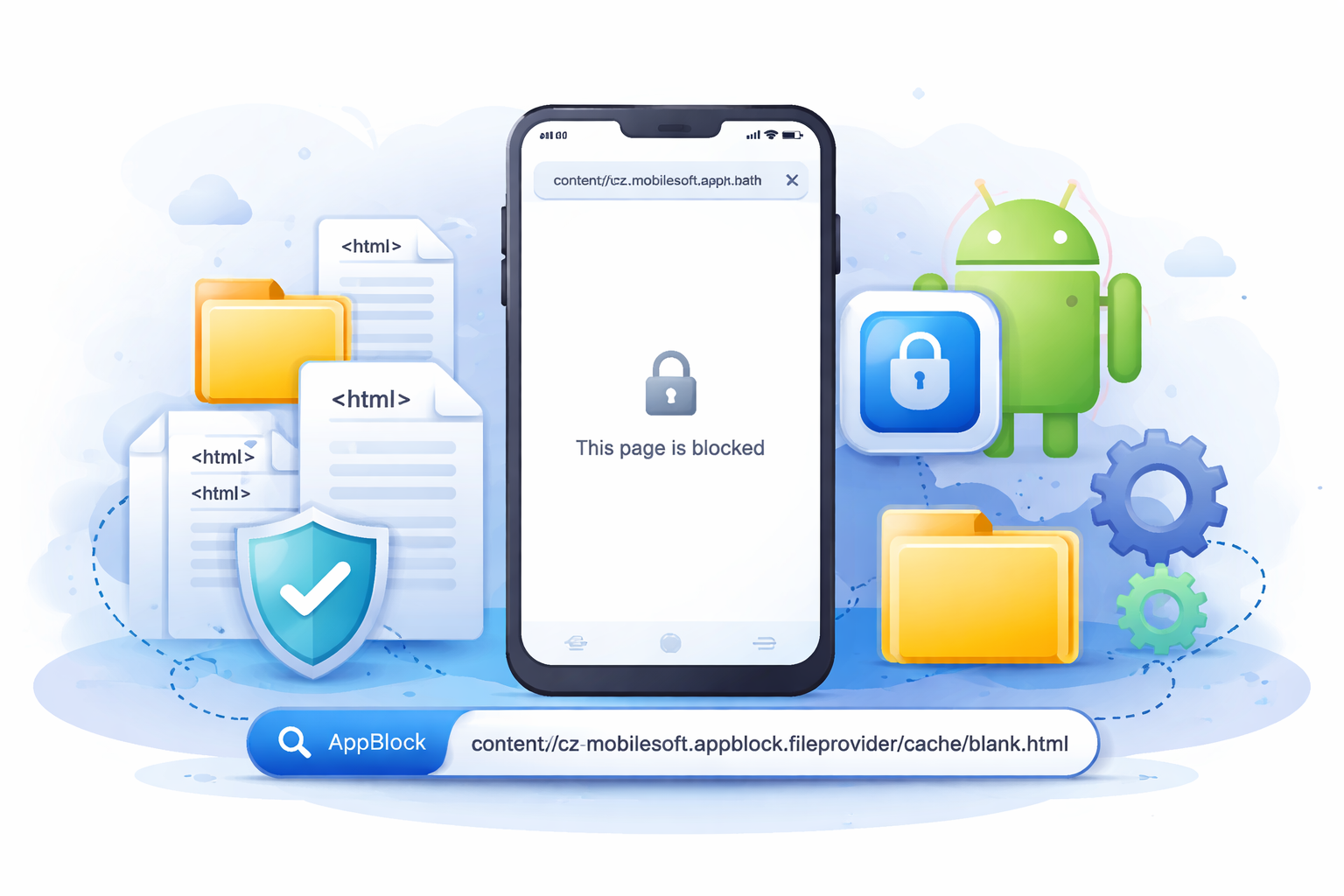
Many Android users occasionally come across unusual links or file references that look confusing at first glance. One such example is content://cz.mobilesoft.appblock.fileprovider/cache/blank.html, which may appear when copying text, opening blocked pages, or interacting with certain applications. Because it does not look like a normal website address, people often assume it might be an error, a broken link, or even something suspicious.
In reality, content://cz.mobilesoft.appblock.fileprovider/cache/blank.html is an internal file reference used within the Android operating system. It usually appears when a specific application, particularly the AppBlock productivity app, creates a temporary HTML file inside its cache directory. This file is used to manage blocked content, display placeholder pages, or handle internal processes that happen behind the scenes.
Understanding how this system works helps users avoid confusion and better understand how Android applications manage temporary data. In this detailed guide, we will explore the meaning of content://cz.mobilesoft.appblock.fileprovider/cache/blank.html, how Android handles internal content references, why this file appears, and whether it is safe or something users should worry about.
Will You Check This Article:Exploring view:source:rockingwolvesradio.com Chatroom Code
What Does content://cz.mobilesoft.appblock.fileprovider/cache/blank.html Actually Mean?
The reference content://cz.mobilesoft.appblock.fileprovider/cache/blank.html belongs to a special format used inside Android called a content URI. These URIs allow applications to access and share files safely without exposing the actual file paths stored inside the device.
Unlike traditional internet addresses that begin with “http” or “https”, a content URI begins with the prefix content://, which indicates that the resource exists within an application environment rather than on the public internet. This format allows Android to control how apps interact with files and prevents unauthorized access to private storage areas.
In the case of content://cz.mobilesoft.appblock.fileprovider/cache/blank.html, the address contains several important parts that describe where the file comes from and how it is managed. The section cz.mobilesoft.appblock identifies the application responsible for the file. This is the package name of the AppBlock application, a well-known productivity tool designed to help users reduce digital distractions. The fileprovider part represents a secure Android component that allows the application to share files safely with other apps when necessary.
Finally, the path cache/blank.html refers to a temporary HTML page stored in the application’s cache directory. This file is typically used as a placeholder page that appears when certain content is blocked or redirected by the AppBlock app.
Understanding the Android Content URI System
Why Android Uses Content URIs Instead of Normal File Paths
Android applications operate inside isolated environments known as sandboxed storage areas. Each app has its own private directory where it stores files, settings, and temporary data. Other applications cannot directly access these directories because doing so could create serious security and privacy risks.
To solve this problem, Android uses content URIs as a controlled way for applications to share specific files with each other. Instead of revealing the exact location of a file, the system generates a content URI that acts as a secure gateway to that resource.
This system ensures that apps can interact with shared files only when permission has been granted. For example, when a photo editing app sends an image to a messaging app, the system uses a content URI to allow temporary access to the image without exposing the entire storage directory.
The same principle applies to content://cz.mobilesoft.appblock.fileprovider/cache/blank.html, which represents a file that is accessible only through the application that created it.
How FileProvider Enables Secure File Sharing
The FileProvider component is a built-in Android mechanism designed to allow apps to share files safely. When an application needs to expose a file to another app, it creates a content URI through FileProvider. The operating system then verifies permissions and allows controlled access to the file.
Without FileProvider, apps would need to share raw file paths, which could potentially expose sensitive information. By using this secure bridge, Android ensures that applications interact with files in a controlled and protected way.
In this context, content://cz.mobilesoft.appblock.fileprovider/cache/blank.html is simply a FileProvider-generated reference to a temporary HTML file stored within the AppBlock app.
The Role of the AppBlock Application
The package name found in the URI, cz.mobilesoft.appblock, belongs to the AppBlock mobile application. AppBlock is widely used by students, professionals, and productivity enthusiasts who want to reduce distractions while studying or working.
The app allows users to block access to certain websites or mobile applications during specific times of the day. For example, someone may block social media platforms while working or studying to maintain focus.
When a user attempts to open a blocked website, AppBlock intercepts the request before the browser can load the page. Instead of displaying the original website, the app may redirect the user to a blank or placeholder page. This placeholder page often exists inside the app’s cache system and may appear as content://cz.mobilesoft.appblock.fileprovider/cache/blank.html.
The purpose of this redirection is to prevent the blocked content from loading while maintaining a smooth browsing experience.
Common Situations Where This File Reference Appears
Many users notice content://cz.mobilesoft.appblock.fileprovider/cache/blank.html when performing certain actions on their devices. One of the most common situations occurs when a website has been blocked by AppBlock. When the user tries to open the blocked site, the application redirects the request to its internal blank HTML file.
Another situation may occur when copying or sharing content from an application that is using an embedded browser. Instead of copying the original webpage address, the system may accidentally copy the internal placeholder reference created by the app.
This can also happen when temporary preview pages are generated inside an application. Some apps create lightweight HTML pages to display quick previews or messages, and these pages may be stored temporarily in the cache directory.
Occasionally, users may also see the reference during debugging or logging processes inside certain applications. These internal processes sometimes reveal the URI path used to access cached files.
Is content://cz.mobilesoft.appblock.fileprovider/cache/blank.html Safe?
For the vast majority of users, the presence of content://cz.mobilesoft.appblock.fileprovider/cache/blank.html is completely harmless. It does not represent malware, spyware, or any form of malicious code. Instead, it simply indicates that a temporary file created by an application is being referenced internally.
The file itself is usually a simple blank HTML page that exists only to replace blocked content. Because it is stored inside the app’s cache directory, it does not remain on the device permanently.
Furthermore, the file cannot be accessed freely by external apps or websites because Android restricts access through its permission system. Only the authorized application that created the URI can interact with it properly.
When Users Might Need to Troubleshoot
Although the file reference is not dangerous, it can occasionally cause confusion if it appears repeatedly or interferes with normal browsing behavior. Some users report seeing the URI when trying to share links or copy webpage addresses.
In most cases, this happens due to temporary cache data stored by the application. If the cache becomes cluttered or outdated, the system may incorrectly reference internal files instead of the original content.
Other times, the issue may occur if the application version is outdated or if there is a compatibility issue with the device’s browser or operating system version.
Fortunately, these situations are usually easy to resolve through basic troubleshooting steps.
How to Fix Problems Related to This File Reference
One of the simplest solutions is clearing the cache of the AppBlock application. Removing cached files allows the app to generate fresh temporary resources and prevents outdated references from appearing again.
Restarting the device can also help resolve temporary glitches. Many background processes are reset during a restart, which clears memory conflicts that may have caused the issue.
Updating the AppBlock application is another effective step. Developers frequently release updates that fix bugs and improve compatibility with newer Android versions.
If the problem persists, uninstalling and reinstalling the application can restore a clean configuration and remove corrupted files.
Why Temporary Cache Files Are Important for Apps
Cache systems play a crucial role in modern mobile applications. They store temporary files that allow apps to load faster and operate more efficiently.
For example, apps may store preview images, recently accessed pages, or temporary HTML files in their cache directories. This prevents the app from repeatedly generating the same resources from scratch.
The file referenced by content://cz.mobilesoft.appblock.fileprovider/cache/blank.html is simply one of these temporary resources. It helps the application perform its blocking function smoothly without displaying errors or broken pages.
When cache storage fills up or becomes outdated, Android automatically clears older files to free space for new data.
How Android Protects Internal Application Files
Android uses a strict security architecture to protect application data. Each app runs in its own isolated environment, which means that one app cannot freely access the files of another.
This isolation prevents malicious software from reading private data stored by other apps. When an app needs to share a file, Android requires it to do so through controlled systems like FileProvider.
Because of this design, internal references such as content://cz.mobilesoft.appblock.fileprovider/cache/blank.html remain protected and accessible only within authorized contexts.
Conclusion
The reference content://cz.mobilesoft.appblock.fileprovider/cache/blank.html may look confusing at first, but it is simply an internal file path used by Android applications. Most often, it is associated with the AppBlock productivity app, which uses this cached HTML file as a placeholder when blocking certain websites.
Rather than representing a real internet page, this URI points to a temporary file stored within the application’s cache directory. It exists only to support internal processes and disappears when the cache is cleared or refreshed.
Understanding how Android manages content URIs, cache files, and secure file sharing makes it easier to interpret these unusual references. For most users, encountering this file path occasionally is completely normal and does not indicate any security risk.
If it ever appears frequently or causes confusion, simple steps such as clearing the app cache, restarting the device, or updating the application can quickly resolve the issue.
Frequently Asked Questions (FAQs)
1. What is content://cz.mobilesoft.appblock.fileprovider/cache/blank.html?
It is an internal Android file reference created by the AppBlock application. The file usually represents a temporary blank HTML page stored inside the app’s cache directory.
2. Why does this file appear on my device?
It often appears when AppBlock blocks a website or when the application generates a temporary page to handle internal processes.
3. Is this file harmful or dangerous?
No, it is not harmful. It is simply a cached file used by the application and does not contain malicious content.
4. Can I open this file in my browser?
In most cases, you cannot open it directly because it exists only inside the application environment that created it.
5. How can I stop it from appearing?
Clearing the AppBlock cache, updating the app, or restarting your device usually prevents it from appearing again.

Introduction
When someone enters view:source:rockingwolvesradio.com/main/chatroom/chatroom.html into a browser, they instantly step beyond the visible surface of a website and into its structural foundation. Instead of colorful chat bubbles and user messages, the browser displays raw HTML, styling rules, and scripts that power the Rocking Wolves Radio chatroom. This simple action reveals how real-time communication actually works behind the scenes.
At first glance, this command may look technical or even confusing. However, once you understand it, you realize it represents transparency, digital awareness, and modern web interaction. In this article, you will discover how view:source:rockingwolvesradio.com/main/chatroom/chatroom.html works, why it matters, how chatrooms function technically, and what this reveals about online communities. Most importantly, you will gain a clearer understanding of how structured code transforms into human connection.
Will You Check This Article:Faccccccccccccc: Decoding a Viral Internet Expression
Understanding view:source:rockingwolvesradio.com/main/chatroom/chatroom.html
To begin with, the phrase combines two parts: a browser instruction and a webpage path. The “view:source” prefix tells the browser to display the page’s source code instead of rendering the visual interface. As a result, the screen shows the actual HTML document that builds the chatroom layout.
Meanwhile, the rest of the address identifies a specific file within the Rocking Wolves Radio website. The “chatroom.html” file typically defines the structure of the chat interface. Therefore, when you open view:source:rockingwolvesradio.com/main/chatroom/chatroom.html, you inspect the digital blueprint of the chat system.
This transparency allows anyone to examine how developers organized elements such as message containers, input fields, and script connections. Consequently, users gain insight into how simple design turns into interactive functionality.
| Component | Meaning | Function |
|---|---|---|
| view:source | Browser command | Displays raw page code |
| rockingwolvesradio.com | Website domain | Hosts the radio platform |
| /main/chatroom/ | Directory path | Identifies chat section |
| chatroom.html | HTML file | Builds chat interface |
How Online Radio Chatrooms Create Interaction
Online radio has evolved significantly over the years. Previously, listeners consumed content passively. However, modern platforms encourage real-time engagement. Therefore, chatrooms now play a central role in strengthening audience connection.
The Rocking Wolves Radio chatroom likely allows listeners to communicate during live broadcasts. As music plays, users type reactions, request songs, or interact with hosts. Consequently, the listening experience becomes interactive rather than one-directional.
In addition, chatrooms build loyalty. When listeners form friendships or participate in discussions, they return regularly. Over time, these interactions shape a community identity. Thus, the chatroom becomes more than a feature; it becomes the heart of audience engagement.
What You Actually See in the Source Code
When you open view:source:rockingwolvesradio.com/main/chatroom/chatroom.html, you encounter structured code instead of design elements. Although it may appear complex at first, it usually follows a logical pattern. Let’s explore its core layers.
HTML: The Structural Foundation
First, HTML organizes the layout. Developers define containers for messages, areas for user input, and sections for navigation. Every visible element in the chat interface starts here.
For example, a message display box appears in the code as a defined division element. Similarly, the text input field uses specific attributes to accept user messages. Therefore, HTML builds the skeleton that holds everything together.
CSS: The Visual Styling
Next, CSS controls the design. It defines fonts, background colors, margins, and responsive adjustments. Without CSS, the chatroom would appear unstructured and difficult to read.
Moreover, consistent styling improves usability. Clear spacing and readable text help users focus on conversation. Consequently, good styling directly enhances engagement.
JavaScript: The Interactive Engine
Finally, JavaScript activates real-time communication. It captures user input, sends it to the server, and updates the message window instantly. Because of this scripting layer, users do not need to refresh the page manually.
In addition, scripts often manage automatic scrolling, notifications, and message validation. Therefore, JavaScript transforms static code into a live communication system.
How Real-Time Messaging Works Behind the Scenes
Although the source file reveals front-end structure, the complete system operates on multiple layers. First, the front-end captures user actions. Then, it sends data to a server. After processing, the server distributes the message to connected users.
Most modern chat systems rely on persistent communication methods that maintain continuous connection. As a result, messages appear instantly without delay. This seamless exchange creates a natural conversational flow.
Meanwhile, the server may filter inappropriate content or manage moderation settings. Therefore, the chatroom maintains both interaction and control simultaneously.
Transparency and Digital Literacy
One of the most important aspects of view:source:rockingwolvesradio.com/main/chatroom/chatroom.html lies in its transparency. Browsers intentionally include the view-source feature. Consequently, users can inspect publicly delivered code without restrictions.
In the early web era, many developers learned by examining existing websites. Similarly, modern learners still benefit from studying real-world examples. By observing structure and scripting, they understand how theoretical knowledge applies in practice.
Furthermore, this feature encourages digital literacy. When users explore source code, they shift from passive consumption to active understanding. Ultimately, that awareness strengthens technical confidence.
Common Misconceptions About Viewing Source
Some people mistakenly believe that viewing source code equals hacking. However, this assumption is incorrect. The browser only displays what the website already sent to your device.
Importantly, sensitive processes such as database management and password verification remain on secure servers. Therefore, view-source access does not compromise security.
Instead, it promotes openness. Because the web functions through public code delivery, transparency remains essential to its architecture.
The Human Layer Behind the Code
Although view:source:rockingwolvesradio.com/main/chatroom/chatroom.html displays structured logic, real people drive the interaction. Listeners share thoughts, react to songs, and build connections through the chatroom.
Over time, communities develop shared humor and traditions. Consequently, a technical interface transforms into a social environment. Technology provides the framework, but human interaction creates meaning.
This dual nature defines the modern internet. Code forms the foundation; conversation brings it to life.
Conclusion
The command view:source:rockingwolvesradio.com/main/chatroom/chatroom.html reveals far more than structured tags and scripts. It exposes the architecture that powers real-time communication within an online radio community. By exploring the source code, you gain insight into HTML structure, styling design, and scripting functionality.
Moreover, this exploration highlights the importance of transparency and digital literacy. When users understand how systems operate, they interact with greater awareness and confidence. Ultimately, the chatroom stands as a reminder that behind every smooth interface lies carefully organized logic.
Therefore, the next time curiosity strikes, open the source view. You may discover that beneath simple design rests an intricate system that connects people across screens and distances.
Frequently Asked Questions (FAQs)
1. What happens when I open view:source:rockingwolvesradio.com/main/chatroom/chatroom.html?
The browser shows the raw HTML and scripts that build the chatroom interface instead of displaying the visual design.
2. Is it safe to use view:source?
Yes, browsers include it as a standard feature for transparency and learning.
3. Can I see private data through source view?
No, you only see front-end code delivered to your browser.
4. Why do developers check source code?
They examine structure, debug layout issues, and understand integration behavior.
5. Does viewing source affect the website?
No, it simply displays existing code without modifying anything.

Supermaked: The Local Shopping Market Transforming Everyday Convenience

Brandy Quaid: The Truth Behind the Name and Public Curiosity

Antonimar Mello: The Private Life Behind a Quiet Public Name

Lee Mack Wife Blind: Facts, Rumors, and the Truth Explained

Riverbank Collapse Iford Playing Fields: Causes, Impacts, and Recovery

Izzie Balmer Partner: Love, Privacy, and Public Life
-

 celebrity1 week ago
Peter Halsey Cook: Career, Marriage, and Life Journey
-

 Tech7 days ago
Exploring view:source:rockingwolvesradio.com Chatroom Code
-

 celebrity1 week ago
Ka Ho Cho: The Untold Journey of Redd Foxx’s Wife
-

 Life Style7 days ago
Sova App: Complete Guide to Daily Affirmations and Mindset Transformation
-

 celebrity6 days ago
Olivia Korenberg: Creative Designer Behind a Private Life
-

 celebrity1 week ago
Matthew Jay Povich: A Life of Privacy and Legacy
-

 celebrity1 week ago
Glena Goranson: Biography, Family, Marriage, and Life in 2026
-

 Education5 days ago
Sagerne: The Quiet Power of Shared Human Wisdom Today