
Tech
Wooflic: Understanding the Rise of a Modern Digital Concept


Introduction
In the ever-evolving digital world, new terms and concepts constantly emerge, shaping how people communicate, create, and express themselves online. One such intriguing term gaining attention is wooflic. Although still relatively new and not widely defined in traditional dictionaries, wooflic has started appearing in online discussions, creative communities, and emerging digital culture. It reflects how language adapts to modern technology, creativity, and identity in the internet age.
The concept of wooflic is fascinating because it sits at the intersection of digital creativity, community expression, and evolving online language. In many ways, it represents how people invent new terms to capture ideas that older language cannot fully explain. As digital communities grow, words like wooflic become symbols of shared experiences and creative identity.
This article explores what wooflic means, how the concept may have developed, and why it resonates with modern internet culture. By the end, readers will gain a deeper understanding of wooflic, its potential significance, and how such terms influence communication in today’s digital world.
Will You Check This Article:watchnewmovienet com: A Complete Guide to Online Movie Streaming
What Is Wooflic?
The term wooflic appears to represent a modern digital expression that blends creativity, personality, and online culture. While definitions can vary depending on context, wooflic often describes a unique style of digital presence or creative expression that feels playful, imaginative, and community-driven.
At its core, wooflic can be understood as a concept that celebrates individuality in the digital space. People today are no longer limited to traditional forms of communication. They create usernames, online identities, memes, digital artwork, and social narratives that reflect who they are. Wooflic symbolizes this freedom of expression.
Unlike traditional words that evolved over centuries, digital terms like wooflic can appear suddenly through communities, platforms, or shared trends. Once people begin using them in conversations or creative projects, the meaning gradually forms through collective interpretation.
The Possible Origins of Wooflic
Understanding the origin of wooflic requires looking at how internet language evolves. Many modern terms come from playful combinations of sounds, cultural references, or creative experimentation.
Linguistic Creativity in Online Culture
Online communities are famous for inventing new words. Users often combine sounds, shorten phrases, or invent entirely new expressions that feel fun and memorable. Wooflic fits into this pattern of linguistic creativity.
The structure of the word itself feels playful and rhythmic. It resembles other modern digital terms that rely on sound appeal rather than strict linguistic rules. This style makes the word easy to remember and share.
Community-Driven Word Development
In many cases, words gain popularity because communities adopt them. A term may start with a small group of creators or online users. Over time, the community assigns meaning to the word through usage.
If a term resonates with people emotionally or creatively, it spreads. Wooflic may represent exactly this type of community-driven evolution, where meaning grows organically through digital interaction.
Wooflic and Modern Digital Identity
The concept of wooflic also reflects how people shape their identities online. Unlike offline life, the internet allows individuals to present themselves through carefully crafted digital personas.
Online identity is not simply about a username. It includes visual aesthetics, tone of communication, creative output, and interaction with communities. Wooflic can represent a style of identity that embraces originality, playfulness, and creativity.
For example, many creators today build entire online personalities through storytelling, humor, or artistic expression. Their digital identity becomes recognizable through consistent themes, visuals, or messages. Wooflic may describe this kind of distinctive presence.
How Wooflic Reflects Digital Creativity
Creativity is one of the strongest forces shaping modern internet culture. Platforms encourage people to experiment with content, ideas, and storytelling. Within this environment, new expressions like wooflic naturally emerge.
A Symbol of Playful Expression
Digital culture thrives on playfulness. Memes, viral trends, and humorous storytelling all contribute to an environment where creativity feels unrestricted.
Wooflic can symbolize this playful atmosphere. The word itself carries a sense of lightness and imagination, which makes it suitable for creative communities.
Creative Communities and Shared Language
Communities often develop their own internal vocabulary. These words become part of a shared identity that connects members.
For example, gaming communities, digital artists, and content creators frequently invent terms to describe experiences unique to their environments. Wooflic could function as a cultural marker within certain creative circles.
The Cultural Significance of Wooflic
Even if a term begins casually, it can still reveal important cultural trends. Words like wooflic demonstrate how language adapts to new social environments.
Digital culture is constantly evolving. People from different regions, backgrounds, and interests interact on shared platforms. This diversity encourages new linguistic experiments.
Wooflic reflects how global communication encourages creative expression. A single word can carry emotional tone, cultural references, and community identity all at once.
Language has always evolved through social interaction. However, digital platforms accelerate this process dramatically. Words that once took decades to spread can now travel worldwide in days.
Real-World Example: How New Digital Terms Gain Meaning
To better understand wooflic, consider how other internet terms developed over time. Many expressions began as playful experiments before becoming widely recognized.
Take the example of viral internet slang. At first, only a small community uses the term. As people share content and conversations, the word spreads. Eventually, it becomes part of mainstream digital vocabulary.
The same pattern could apply to wooflic. If the concept resonates with people, it may continue evolving through stories, memes, creative projects, or online discussions.
This process shows how language is not static. Instead, it grows and changes alongside human communication.
Wooflic in Creative Storytelling and Media
Another interesting perspective on wooflic is its potential role in storytelling and media. Many modern narratives use invented words to create distinctive worlds or ideas.
Writers, artists, and content creators often invent terms that carry emotional tone or symbolic meaning. These words can become memorable elements of the story.
Wooflic has the kind of sound and structure that could easily appear in creative storytelling. It feels expressive, imaginative, and slightly mysterious, which makes it appealing in artistic contexts.
For instance, a fictional universe might use the word to represent a style of creativity or a particular cultural movement within the story world.
The Psychological Appeal of Unique Digital Words
Why do people enjoy using new terms like wooflic? The answer often lies in human psychology.
Unique words create curiosity. They spark interest because they feel fresh and unfamiliar. When someone encounters a word they have never heard before, they naturally want to understand its meaning.
Additionally, using unique language can strengthen group identity. Communities often feel closer when they share expressions that outsiders might not immediately understand.
This sense of belonging is powerful. Words become symbols of connection between people who share interests, creativity, or cultural values.
Potential Future of the Wooflic Concept
Although still emerging, wooflic could evolve in several interesting directions as digital culture continues expanding.
Some possibilities include:
- It could become a recognizable term used in creative communities.
- It might develop multiple meanings depending on context.
Many internet-born words follow similar paths. They start small, gain attention, and eventually become part of broader cultural conversation.
The future of wooflic will likely depend on how communities adopt and reinterpret the concept. As long as people continue experimenting with language and creativity, new expressions will keep appearing.
Why Concepts Like Wooflic Matter
At first glance, a new digital word may seem insignificant. However, terms like wooflic reveal important patterns about human communication.
Language reflects culture. When people create new words, they are responding to changes in technology, society, and creative expression.
Digital environments encourage experimentation with identity and storytelling. In such spaces, language becomes more flexible and dynamic than ever before.
Wooflic represents this shift toward creative communication. It highlights how individuals and communities collaborate to shape modern language.
Conclusion
The emergence of wooflic illustrates how language continues evolving in the digital age. What may begin as a playful or experimental term can gradually develop meaning through community use and creative expression.
Throughout this article, we explored how wooflic reflects modern digital identity, creative culture, and the ongoing transformation of communication online. It represents more than just a word—it symbolizes the imaginative ways people connect, create, and express themselves in digital spaces.
As internet culture continues growing, new expressions will keep appearing. Some will fade away, while others will gain lasting significance. Whether wooflic becomes widely recognized or remains a niche term, it demonstrates the fascinating relationship between language and creativity.
For readers, the key takeaway is simple: language is alive. Every new word tells a story about the people who created it and the culture that allowed it to flourish.
Frequently Asked Questions (FAQs)
1. What does wooflic mean?
Wooflic generally refers to a modern digital expression connected to creativity, identity, and community-driven language. Its meaning can vary depending on context and usage.
2. Is wooflic an officially recognized word?
Currently, wooflic is considered an emerging or informal term. Like many internet-born expressions, its meaning develops through community use rather than formal dictionaries.
3. Where did the term wooflic originate?
The exact origin of wooflic is unclear. It likely emerged through digital communities where creative language and playful word formation are common.
4. Why do new digital words like wooflic appear?
New words often appear because people need fresh ways to describe modern experiences. Online environments encourage creativity and linguistic experimentation.
5. Could wooflic become widely used in the future?
Yes, it is possible. If communities continue using and sharing the term, wooflic could gradually gain broader recognition in digital culture.
Introduction
Technology runs on many hidden systems that most users never notice. One of those important concepts is soutaipasu. The term may sound unusual, but it plays a key role in organizing files in digital projects. Developers use this concept daily when they build websites, applications, or software systems.
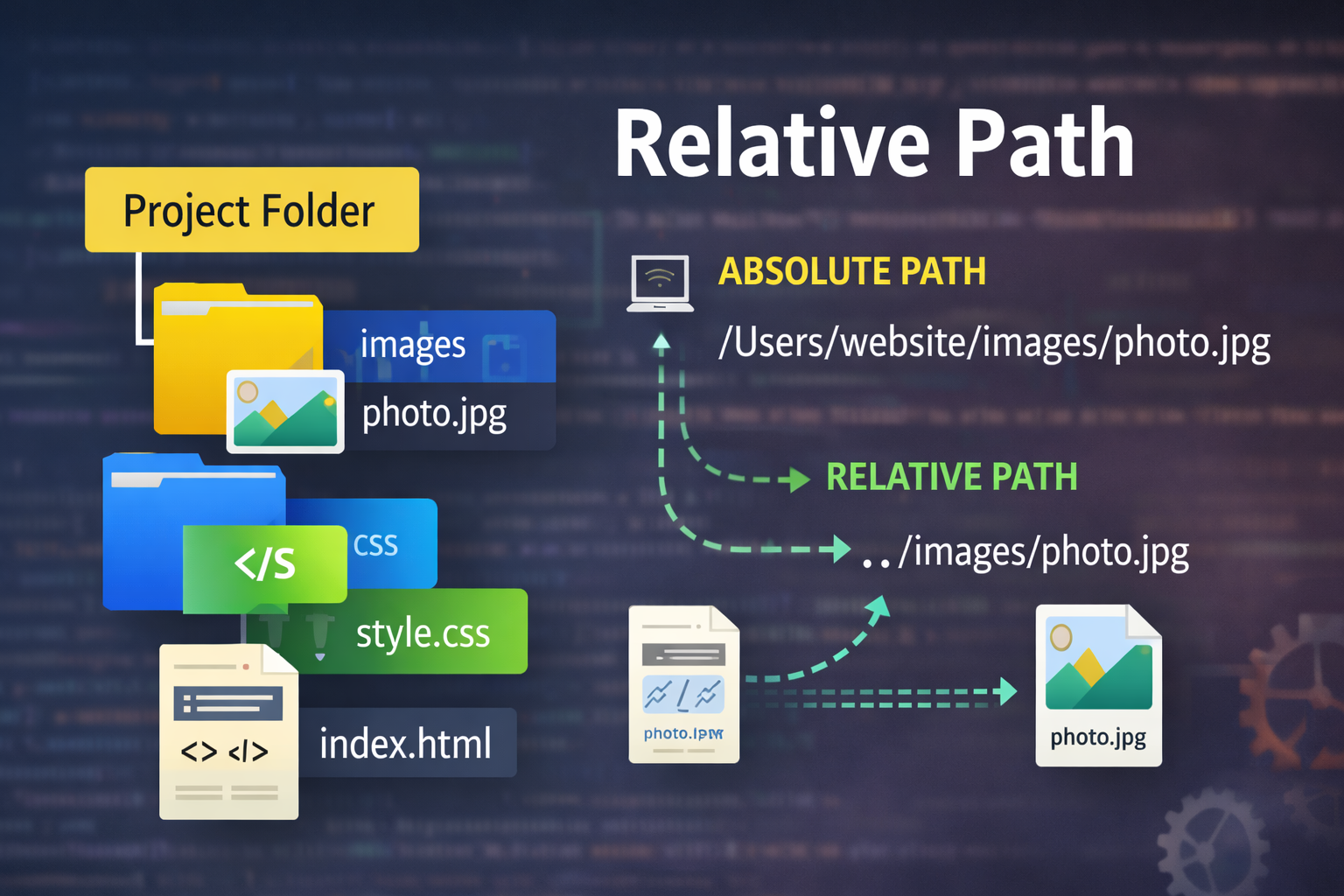
The word soutaipasu comes from Japanese technical language and translates to relative path. In simple terms, it describes the location of a file based on its position relative to another file or folder. Instead of writing the complete system address, developers describe how to reach a file from the current location.
This small idea makes a huge difference in development work. Modern projects contain many folders, images, scripts, and configuration files. Without a flexible method to reference these files, maintaining large projects would become difficult. Soutaipasu allows developers to keep file structures organized and portable across different systems.
Understanding soutaipasu helps beginners grasp how files connect inside digital systems. It also helps experienced developers maintain clean and efficient project structures.
Will You Check This Article:The Complete Guide to content://cz.mobilesoft.appblock.fileprovider/cache/blank.html on Android
What Is Soutaipasu?
Soutaipasu refers to a method of describing file locations relative to the current directory. Instead of writing the full system address, developers explain how to reach a file from the current folder.
Think about navigating inside a building. If someone asks where the meeting room is, you might give the entire building address. However, if the person already stands inside the building, you simply explain how to reach the room from their location.
Computers follow the same logic. A relative path tells the system where to find a file based on the current working directory.
For example, imagine a project folder that contains images and web pages. If a webpage needs to display an image stored inside the images folder, the relative path simply points to that folder. The system then finds the file by following that relationship.
This approach keeps file references short and easy to manage. It also helps developers avoid long and complicated file addresses.
The Origin of the Term Soutaipasu
The word soutaipasu comes from Japanese computing vocabulary. It combines two separate words that clearly explain its meaning.
The first word is soutai, which means relative or comparative. The second word is pasu, which comes from the English word path. Together they form the phrase relative path.
Japanese programming communities often use this term in documentation and tutorials. In English discussions, developers usually say relative path instead of soutaipasu. However, both terms describe the same concept.
Technical language often develops through global collaboration. Programming communities borrow terms from different languages when they describe shared ideas. Soutaipasu reflects this international nature of technology.
How Soutaipasu Works in File Systems
Computer systems organize data using folders and directories. Each folder can contain files or additional folders. This structure creates a hierarchical system that resembles a tree.
For example, a website project may contain several directories. One folder stores images, another stores stylesheets, and another stores scripts.
When a webpage loads, it must locate these resources. The system reads file references and retrieves the required content.
Relative paths allow the webpage to find these resources without relying on the entire system address. The file simply describes how to reach another folder from its current location.
If a webpage sits in the main project folder and an image sits in an images directory, the relative path points directly to that folder. The system then retrieves the image using that relationship.
This method works as long as the internal folder structure remains consistent.
Difference Between Soutaipasu and Absolute Paths
Developers often compare relative paths with absolute paths. Understanding the difference helps explain why soutaipasu is widely used.
An absolute path shows the complete location of a file starting from the root directory of the system. This path includes every folder that leads to the file.
Although absolute paths provide precise locations, they can create problems when projects move between systems. A file address that works on one computer may not exist on another device.
Relative paths solve this issue. Soutaipasu describes file locations based on their position inside the project structure. When the entire project moves to a different system, the internal relationships remain unchanged.
Because of this flexibility, developers prefer relative paths when working on collaborative or portable projects.
Why Developers Use Soutaipasu
Soutaipasu offers several advantages that make development easier and more efficient. One major benefit involves project portability. Developers often move projects between local machines, servers, and cloud environments. Relative paths continue to work in all these environments as long as the folder structure remains intact.
Another advantage involves collaboration. Development teams frequently work together on the same project. Relative paths allow each team member to maintain the same file relationships without worrying about system-specific directories.
Soutaipasu also simplifies project maintenance. Developers do not need to update file references whenever they move a project to a new location.
These advantages make relative paths a standard practice in modern development workflows.
Practical Uses of Soutaipasu in Development
Web development provides one of the clearest examples of soutaipasu in action. Web pages load images, stylesheets, and scripts that exist in different directories. Developers use relative paths to connect these resources with the webpage.
Programming environments also rely on relative paths. Applications often load configuration files or modules stored in project folders. Using relative paths keeps the application independent from the operating system structure.
Large software systems also benefit from this approach. Developers maintain organized directories where each folder serves a specific purpose. Relative paths help navigate these structures without creating long file addresses.
Because of these benefits, soutaipasu remains a fundamental concept in programming and software design.
Best Practices for Using Soutaipasu
Developers follow several best practices when working with relative paths. A well-organized project structure always helps maintain clear file relationships. When folders follow a logical structure, developers can easily determine the correct relative path.
Another helpful practice involves limiting unnecessary folder nesting. Too many directory levels can make paths harder to read and maintain.
Developers also test file references regularly during development. This practice ensures that resources load correctly across different environments.
Maintaining a clean folder structure and verifying file references helps prevent errors and broken links.
Conclusion
Soutaipasu represents a simple yet powerful idea in computing. The concept allows developers to reference files relative to their current location instead of relying on full system addresses. This method keeps projects flexible, organized, and easier to maintain.
Modern digital systems depend on structured file relationships. Websites, applications, and software frameworks all rely on internal resources that must work together smoothly. Relative paths help maintain these connections without creating complex file addresses.
Anyone learning programming or development should understand soutaipasu early in their journey. Once developers understand how relative paths work, they can build cleaner project structures and avoid common file management problems.
In the rapidly evolving world of technology, small concepts often create the biggest impact. Soutaipasu stands as one of those essential ideas that quietly support the systems we use every day.
Frequently Asked Questions (FAQs)
What does soutaipasu mean?
Soutaipasu is a Japanese term that means relative path. It describes the location of a file relative to another file or folder.
Why do developers use soutaipasu?
Developers use it to reference files without writing the full system address. This method makes projects easier to manage and move.
Is soutaipasu important for beginners?
Yes. Beginners who understand relative paths can manage files and folders more effectively in development projects.
Where is soutaipasu commonly used?
Developers use it in web development, programming projects, and software applications that require structured file systems.
Can soutaipasu break if folders move?
Relative paths work as long as the internal folder structure remains the same. Changes inside the structure can break references.
Introduction
In the rapidly expanding world of blockchain technology, new projects, platforms, and innovations appear almost every day. Among these emerging names, Novafork has started to attract attention in conversations related to blockchain forks and decentralized systems. Many people encounter the term while exploring cryptocurrency communities or blockchain development discussions, yet clear and reliable explanations about Novafork are still limited.
At its most basic level, Novafork refers to a type of blockchain fork or project connected with modifying an existing blockchain protocol to introduce new features, improvements, or changes in how the network operates. Forks are a common and important mechanism in blockchain technology because they allow developers and communities to upgrade a system without shutting down the entire network.
Understanding Novafork requires more than simply knowing what a fork is. It also involves examining how blockchain communities make decisions, why protocol changes occur, and what consequences these changes can have for users and developers. In this detailed guide, we will explore the meaning of Novafork, the real concept behind blockchain forks, how such systems operate in practice, and why these developments matter for the broader blockchain ecosystem.
Will You Check This Article:Pxless: Building Flexible Digital Experiences Without Limits
What Is Novafork?
Novafork is generally described as a blockchain fork or fork-based project that aims to introduce new rules, improvements, or changes to an existing blockchain network. In blockchain technology, a fork occurs when developers modify the protocol that determines how blocks are created, validated, and added to the chain.
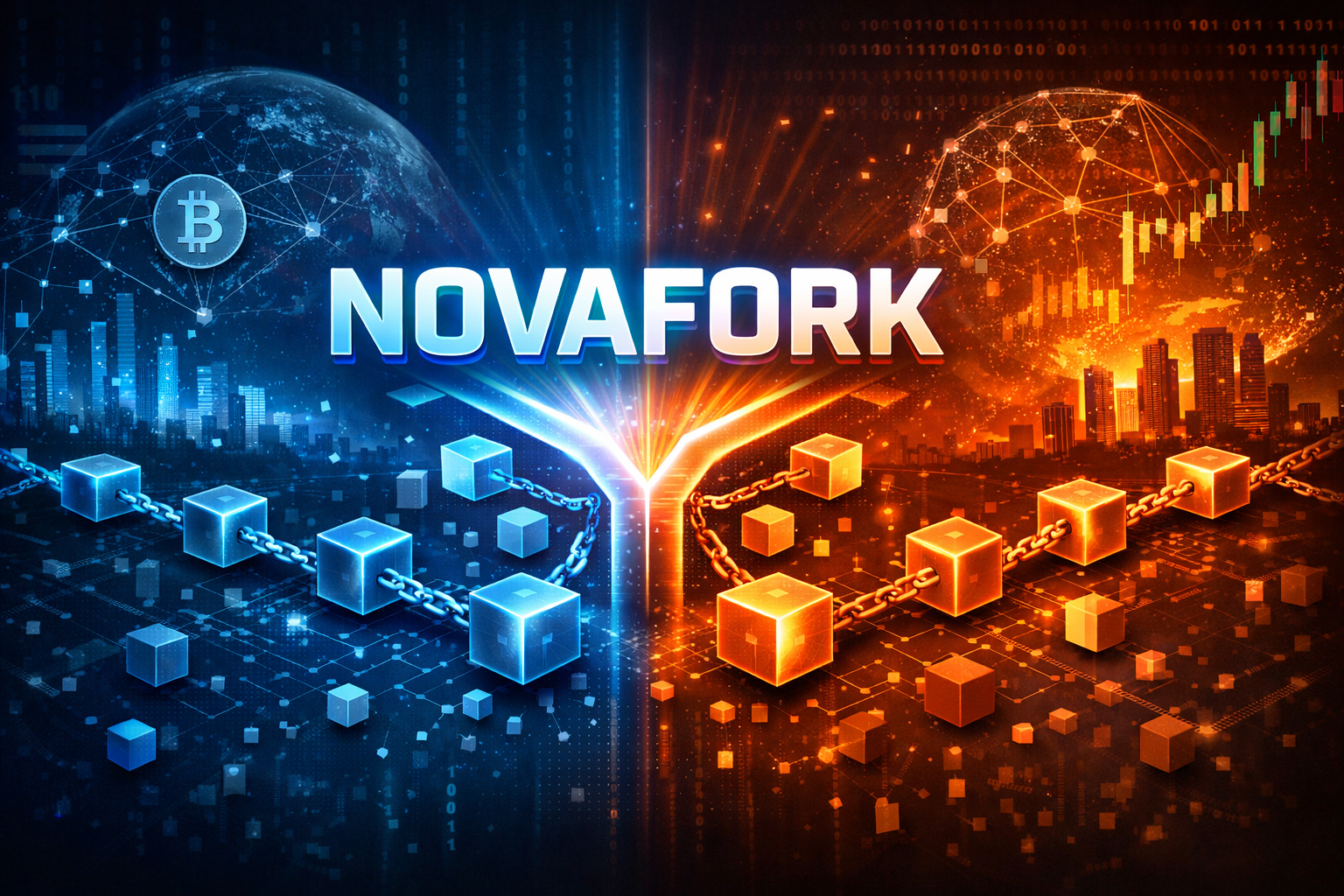
When these rules change, the network may split into two separate versions of the blockchain. One version follows the original rules, while the other version follows the updated protocol introduced by the fork. This process allows blockchain systems to evolve while still maintaining the decentralized nature of the network.
In many cases, projects described as Novafork are associated with attempts to enhance blockchain performance, introduce new technological capabilities, or resolve disagreements within a community about how the network should develop. Unlike traditional software updates controlled by a single company, blockchain forks are usually decided collectively by developers, miners or validators, and community participants.
However, it is important to understand that the term Novafork is not widely recognized as a major established blockchain like Bitcoin or Ethereum. Instead, it appears in discussions related to fork projects or experimental developments that attempt to build upon existing blockchain technology.
Understanding Blockchain Forks
To properly understand Novafork, it is necessary to explore the broader concept of blockchain forks. A blockchain operates according to a set of rules known as a protocol. These rules determine how transactions are processed, how blocks are created, and how participants in the network reach consensus.
Over time, developers may decide that the protocol needs improvements. For example, the network might need better security, faster transaction processing, or additional functionality. When these changes require modifications to the protocol, developers create a new version of the blockchain software.
If all participants update their software to the new version, the network continues smoothly with the upgraded protocol. However, if some participants choose not to adopt the changes, the blockchain can split into two different chains. Each chain then follows its own version of the rules.
This mechanism allows blockchain networks to evolve without relying on centralized decision-making. It also ensures that participants retain the freedom to support the version of the network they believe is best.
Why Forks Are Necessary in Blockchain Systems
Blockchain networks are designed to operate in a decentralized environment where no single authority controls the entire system. While this structure offers transparency and resilience, it also means that upgrades cannot simply be imposed by a central organization.
Forks provide a solution to this challenge. By introducing a modified version of the protocol, developers allow the community to decide collectively whether the changes should be adopted. This process encourages open discussion and democratic decision-making within the network.
Another reason forks are necessary is technological evolution. Early blockchain systems were designed when the technology was still experimental. As blockchain adoption increases, networks often need improvements to handle larger volumes of transactions, improve security measures, or support new applications.
Without forks, blockchain systems would remain locked into their original design. Forking therefore allows decentralized networks to adapt to changing technological and economic conditions while maintaining their foundational principles.
The Core Idea Behind Novafork
The concept behind Novafork generally focuses on introducing improvements or new functionalities to an existing blockchain structure. While the exact implementation may vary depending on the project using the name, the underlying principle remains the same: modifying blockchain rules to create an upgraded or alternative version of a network.
One of the motivations behind projects associated with Novafork is the desire to experiment with new ideas that may not be easily implemented within the original blockchain protocol. Developers often explore alternative approaches to consensus mechanisms, transaction processing, or governance models.
By creating a fork, developers can test these ideas without affecting the stability of the original network. If the experiment proves successful, the new forked chain may attract users, developers, and infrastructure that support its updated design.
In this sense, Novafork represents the broader spirit of innovation within blockchain technology. It demonstrates how decentralized systems encourage experimentation and allow communities to explore different technological paths.
Types of Forks in Blockchain Networks
Although forks can take many forms, they are generally divided into two main categories based on how the changes interact with the existing blockchain protocol.
Soft Fork
A soft fork is a backward-compatible change to the blockchain protocol. This means that nodes running the older version of the software can still recognize and accept blocks created by the updated version.
Soft forks usually introduce relatively small changes that do not fundamentally alter the structure of the blockchain. Because compatibility remains intact, soft forks often require less coordination among network participants.
Hard Fork
A hard fork represents a more significant change to the blockchain protocol. In this case, the new rules are not compatible with the previous version of the network.
Nodes that do not upgrade to the new protocol will reject blocks created under the updated rules. As a result, the blockchain splits into two separate networks. Each network continues operating independently with its own participants and community.
Many projects associated with Novafork tend to fall into the hard fork category because they introduce major changes to the system rather than minor adjustments.
Real Examples of Blockchain Forks
Although Novafork itself is not among the most widely documented blockchain forks, the concept can be better understood by looking at real historical examples from the cryptocurrency ecosystem.
One of the most famous blockchain forks occurred in 2017 when the Bitcoin network split into two separate chains: Bitcoin and Bitcoin Cash. This fork resulted from disagreements within the community about how to scale the network and handle increasing transaction volumes.
Another well-known example involves the Ethereum network. After a major security incident known as the DAO hack, the Ethereum community decided to implement a hard fork to reverse the effects of the attack. This decision led to the creation of two networks: Ethereum and Ethereum Classic.
These examples highlight how forks can reshape blockchain ecosystems. They also demonstrate that forks are not merely technical updates but often involve philosophical debates about the future direction of a network.
Advantages of Fork-Based Innovation
Forks such as those associated with Novafork provide several advantages within the blockchain environment. One of the most important benefits is the ability to innovate without disrupting the entire ecosystem.
Developers can experiment with new technologies, governance models, or consensus mechanisms while allowing the original network to continue operating as usual. This flexibility encourages creativity and technological progress.
Another advantage is community empowerment. Because forks are often decided through collective discussion and participation, they give users a voice in the future development of the network.
Forks can also introduce improvements that enhance the overall usability of blockchain systems. These improvements may include faster transaction confirmation, improved privacy features, or better support for decentralized applications.
Challenges and Controversies Around Forks
Despite their advantages, forks can also create challenges for blockchain communities. One of the most significant issues involves network fragmentation. When a blockchain splits into multiple chains, resources and development efforts may become divided.
This division can create uncertainty among users and developers. Participants may need to choose which version of the network they support, which can sometimes lead to heated debates within the community.
Another challenge is the technical complexity involved in implementing major protocol changes. Blockchain networks rely on distributed consensus systems that require careful coordination to function properly. Introducing new rules without extensive testing could potentially create security vulnerabilities or operational issues.
For this reason, most responsible blockchain development teams conduct extensive testing and community discussions before launching any fork.
The Future of Forks Like Novafork
The concept represented by Novafork reflects an important aspect of blockchain technology: continuous evolution. As decentralized networks grow and mature, the need for upgrades and innovation will only increase.
Future forks may introduce breakthroughs in areas such as scalability, interoperability between different blockchain networks, and advanced privacy technologies. These improvements could expand the range of industries that benefit from decentralized systems.
At the same time, blockchain communities will continue refining governance processes to ensure that forks occur in a transparent and collaborative manner. This balance between innovation and stability will play a key role in shaping the long-term future of blockchain technology.
While Novafork itself may represent a specific project or concept within this broader landscape, it ultimately reflects the dynamic nature of decentralized innovation.
Conclusion
Novafork highlights the evolving nature of blockchain technology and the role that forks play in enabling innovation. Through forks, developers and communities can introduce upgrades, experiment with new ideas, and shape the future direction of decentralized networks.
Understanding Novafork also requires understanding the broader concept of blockchain forks. These mechanisms allow networks to adapt to new challenges, improve performance, and introduce new capabilities without relying on centralized control.
Although forks can sometimes lead to disagreements or network splits, they remain a powerful tool for technological progress. They encourage open discussion, community participation, and experimentation within the blockchain ecosystem.
As blockchain technology continues to develop, the ideas represented by Novafork will remain relevant. Whether through major protocol upgrades or experimental fork projects, the ability to modify and improve decentralized networks will continue to drive innovation in the digital world.
Frequently Asked Questions (FAQs)
1. What does Novafork mean in blockchain?
Novafork generally refers to a blockchain fork project or concept that introduces new rules or improvements to an existing blockchain protocol.
2. Is Novafork a cryptocurrency?
Novafork is not widely recognized as a major standalone cryptocurrency. It is more commonly described in relation to blockchain fork concepts or experimental projects.
3. How does a blockchain fork happen?
A fork occurs when developers change the protocol rules of a blockchain. If participants disagree about the update, the network may split into two separate chains.
4. Are blockchain forks safe?
Forks can be safe if they are carefully tested and supported by the community. However, poorly planned forks may create technical or governance challenges.
5. Why do developers create forks?
Developers create forks to upgrade blockchain networks, experiment with new ideas, resolve disagreements, or introduce improved features and functionality.

Introduction
Communication is one of the most powerful forces shaping modern society. Every day, people interact through messaging platforms, digital assistants, collaboration tools, and online communities. As technology becomes more integrated into daily life, the need for smarter and more meaningful conversations with digital systems continues to grow. This growing demand has led to the emergence of a concept known as Konversky, which focuses on transforming ordinary digital communication into intelligent and context-aware interactions.
The idea behind Konversky is not simply about sending messages from one device to another. Instead, it centers on creating conversation environments where dialogue flows naturally, responses feel relevant, and interactions resemble real human discussions. Traditional digital communication tools often treat conversations as isolated exchanges. In contrast, Konversky aims to create continuous, adaptive, and context-rich dialogue experiences that evolve with the user’s needs.
Understanding the concept of Konversky is important because it reflects the broader transformation of how humans communicate with technology. Instead of forcing users to navigate complex systems, Konversky encourages technology to communicate in ways that feel intuitive and natural. This shift has the potential to reshape industries ranging from education and workplace collaboration to customer interaction and digital services.
In this article, we will explore the meaning of Konversky, examine the principles behind it, analyze how it functions within digital platforms, and discuss its long-term impact on the future of communication.
Will You Check This Article:Kinervus: Adaptive Intelligence in Motion
What Is Konversky?
The term Konversky represents an emerging approach to digital conversation systems that prioritize context, adaptability, and human-like dialogue patterns. At its foundation, Konversky focuses on creating communication environments where technology can participate in meaningful conversations rather than simply responding with static or pre-programmed messages.
To understand Konversky more clearly, it helps to consider how human conversations work in everyday life. When two people speak, they naturally remember earlier parts of the conversation, adjust their responses based on context, and respond with relevant information rather than isolated statements. Konversky attempts to replicate this conversational intelligence in digital environments.
In traditional digital systems, conversations are often fragmented. A user may ask a question, receive an answer, and then start over again with the next question. Konversky challenges this pattern by maintaining continuity across dialogue sessions. By preserving conversational context and adapting responses accordingly, systems inspired by Konversky create a more cohesive interaction experience.
Rather than functioning as simple messaging interfaces, Konversky-style platforms aim to act as conversational environments that evolve dynamically during the interaction.
The Core Principles Behind Konversky
Understanding Konversky requires examining the fundamental principles that guide its design and implementation. These principles are not limited to a single platform or technology; instead, they form a communication philosophy that can be applied across multiple digital systems.
Contextual Understanding in Conversations
One of the most important aspects of Konversky is contextual awareness. In human conversations, context plays a critical role in shaping responses. When people speak with one another, they rarely repeat all relevant information every time they ask a question. Instead, both participants rely on previously shared details to guide the conversation.
Konversky introduces this same concept into digital interactions. Systems built on this framework maintain awareness of earlier dialogue segments, allowing them to respond more intelligently. For instance, if a user begins a conversation about planning a trip and later asks about transportation options, a Konversky-based system understands that the transportation question relates to the earlier travel discussion.
This contextual awareness significantly reduces friction in digital communication and makes interactions feel more natural and fluid.
Natural Dialogue Flow
Another defining principle of Konversky is maintaining a natural conversation flow. In traditional systems, interactions often feel rigid because they follow predefined structures. Users may have to choose from menus or provide specific commands in order to receive responses.
Konversky replaces this rigid structure with flexible dialogue patterns. Instead of forcing users to adapt to the system’s limitations, the system adapts to the user’s conversational style. This flexibility enables conversations to evolve organically, much like discussions between people.
For example, if someone begins discussing a project idea, a Konversky-style communication environment might help organize the conversation by guiding the dialogue toward planning, collaboration, and execution without requiring the user to manually navigate separate sections.
Adaptive Communication
Adaptability is another key component of Konversky. Every individual communicates differently, and an effective conversation system must recognize these differences.
Some users prefer concise responses, while others appreciate detailed explanations. Konversky-based systems can adjust their communication style depending on user preferences and interaction patterns. Over time, this adaptability allows conversations to become more personalized and efficient.
The result is a communication experience that evolves alongside the user rather than remaining static.
Why Konversky Is Becoming Increasingly Important
The increasing relevance of Konversky reflects broader changes in how people interact with technology. As digital tools become central to daily life, users expect communication systems to be intuitive, responsive, and capable of understanding complex requests.
Modern communication environments are no longer limited to simple messaging. People now use digital platforms for collaborative work, remote education, problem-solving, and decision-making. In these contexts, communication quality becomes extremely important.
Konversky addresses this need by improving the depth and clarity of digital conversations. When systems understand context and maintain dialogue continuity, users spend less time repeating information and more time focusing on meaningful interaction.
This improvement in communication efficiency is particularly valuable in environments where time and clarity are essential, such as professional collaboration or technical support discussions.
Applications of Konversky Across Different Fields
The flexibility of the Konversky concept allows it to be applied in many different environments. Although the underlying principles remain consistent, the way Konversky functions may vary depending on the context in which it is used.
Education and Learning Environments
In education, conversation plays a crucial role in the learning process. Students often understand complex topics more effectively when they can ask questions, receive explanations, and explore ideas through dialogue.
Konversky-style learning systems replicate this interactive learning process in digital environments. Instead of presenting information in a static format, these systems guide students through discussions that clarify difficult concepts and encourage deeper understanding.
For example, a student studying mathematics may ask questions about a particular problem. Rather than providing a simple answer, a Konversky-based system can explain the reasoning behind the solution, ask follow-up questions, and adapt explanations based on the student’s level of understanding.
This conversational learning approach supports active engagement and encourages curiosity.
Workplace Collaboration
Communication challenges are common in modern workplaces, especially when teams operate across different locations or time zones. Long message threads, scattered conversations, and disconnected discussions can make it difficult to maintain clarity.
Konversky offers a solution by organizing conversations in ways that preserve context and structure. Instead of fragmented communication, discussions become more coherent and easier to follow.
For example, when team members discuss a project, a Konversky-style collaboration system might track key points from earlier conversations, highlight decisions, and guide the dialogue toward clear outcomes.
This approach helps teams stay aligned and reduces misunderstandings.
Digital Support and Assistance
Many organizations rely on digital systems to assist users with questions or technical issues. However, traditional assistance tools often struggle to handle complex conversations.
Konversky improves this experience by enabling systems to understand user concerns more deeply. Instead of providing generic responses, a Konversky-based assistant can ask clarifying questions, analyze the situation, and offer solutions that are tailored to the specific problem.
This conversational problem-solving model creates a more satisfying experience for users seeking help.
The Human Psychology Behind Konversky
Human beings naturally learn and communicate through conversation. From early childhood, people develop understanding by asking questions, sharing experiences, and participating in discussions.
Konversky builds upon this psychological tendency by making technology communicate in ways that mirror human dialogue patterns. When users interact with systems that respond conversationally, they feel more comfortable and engaged.
Consider how people interact with helpful experts or mentors. The most effective mentors do not simply provide answers; they guide conversations, clarify misunderstandings, and encourage exploration of ideas. Konversky adopts this same conversational guidance model within digital environments.
By aligning technology with natural communication habits, Konversky reduces the cognitive effort required to interact with digital tools.
Challenges in Implementing Konversky
Although the concept of Konversky offers many advantages, implementing it effectively presents several challenges. Designing conversation systems that truly understand context and maintain meaningful dialogue requires careful planning and advanced technology.
One challenge involves ensuring accurate interpretation of user intent. Human language is complex, and the same phrase may have different meanings depending on context. Systems must be able to interpret these nuances correctly in order to maintain productive conversations.
Another challenge involves maintaining conversational consistency over long interactions. If responses become repetitive or irrelevant, users may lose confidence in the system’s ability to understand their needs.
Additionally, developers must carefully balance automated conversation systems with human oversight. While digital systems can manage many interactions, certain situations still require human judgment and empathy.
Addressing these challenges is essential for realizing the full potential of the Konversky communication model.
The Future Potential of Konversky
The continued evolution of Konversky suggests that digital communication will become increasingly conversational in the coming years. As communication technologies advance, the boundaries between human dialogue and digital interaction will continue to blur.
Future systems may support seamless conversations across multiple devices and platforms. Users could begin a discussion on one device, continue it on another, and maintain full conversational context throughout the interaction.
Furthermore, Konversky-inspired systems may facilitate collaboration between individuals from different cultural and linguistic backgrounds by helping translate meaning and context more effectively.
Ultimately, the goal is not simply to improve communication efficiency but to create digital environments where conversation feels natural, productive, and engaging.
Conclusion
The concept of Konversky represents an important step forward in the evolution of digital communication. By emphasizing contextual awareness, natural dialogue flow, and adaptive interaction, Konversky transforms traditional messaging systems into intelligent conversation environments.
This approach reflects a fundamental shift in how technology interacts with users. Instead of requiring individuals to adapt to rigid systems, Konversky encourages technology to communicate in ways that align with human conversational behavior.
As digital platforms continue to expand across education, collaboration, and digital assistance, the principles behind Konversky will likely play a growing role in shaping the future of communication. Systems that understand context, maintain dialogue continuity, and adapt to user needs will become increasingly valuable.
By embracing the ideas behind Konversky today, developers, organizations, and users can prepare for a future where technology becomes a true conversational partner rather than just a tool.
Frequently Asked Questions (FAQs)
1. What does Konversky mean?
Konversky refers to a communication framework focused on intelligent digital conversations that maintain context, adapt to user preferences, and mimic natural human dialogue patterns.
2. Why is Konversky important for digital communication?
Konversky improves interaction quality by making conversations more natural, reducing repetitive communication, and helping systems understand the context behind user questions.
3. Where can Konversky be applied?
The Konversky approach can be applied in education platforms, workplace collaboration tools, digital assistance systems, and other environments where conversation plays an important role.
4. How does Konversky improve user experience?
By maintaining conversation context and providing adaptive responses, Konversky makes digital interactions smoother, more intuitive, and easier to understand.
5. What is the future of Konversky?
Konversky is expected to influence future communication technologies by enabling systems that support continuous, intelligent conversations across multiple platforms and devices.

Kate Connelly: Life, Career, and Personal Journey

Speciering Explained: Meaning, Context, and Real-Life Significance

Slylar Box: The Hidden Innovation Changing Everyday Storage

Lee Mack Wife Blind: Facts, Rumors, and the Truth Explained

Riverbank Collapse Iford Playing Fields: Causes, Impacts, and Recovery

Izzie Balmer Partner: Love, Privacy, and Public Life
-

 Blog1 week ago
What Is Nerwey? Exploring Its Meaning and Online Presence
-

 Blog1 week ago
Gayfortans Explained: The Deep Bronze Tanning Aesthetic Trend
-

 celebrity1 week ago
Dallas Yocum: The Private Life Behind a Brief Public Story
-

 celebrity1 week ago
Michael Ciminella: Life, Career, and His Role in the Judd Family
-

 Education1 week ago
Viltnemnda: How Norway Manages Wildlife at the Local Level
-

 Business3 days ago
Instablu: Understanding Its Meaning, Uses, and Digital Relevance
-

 celebrity6 days ago
Letesha Marrow: The Life, Career, and Journey of Ice-T’s Eldest Daughter
-

 Health6 days ago
Sourthrout: Causes, Symptoms, and Natural Ways to Relieve Throat Irritation