
Blog
chromtex: The Future of Smart Surface Innovation

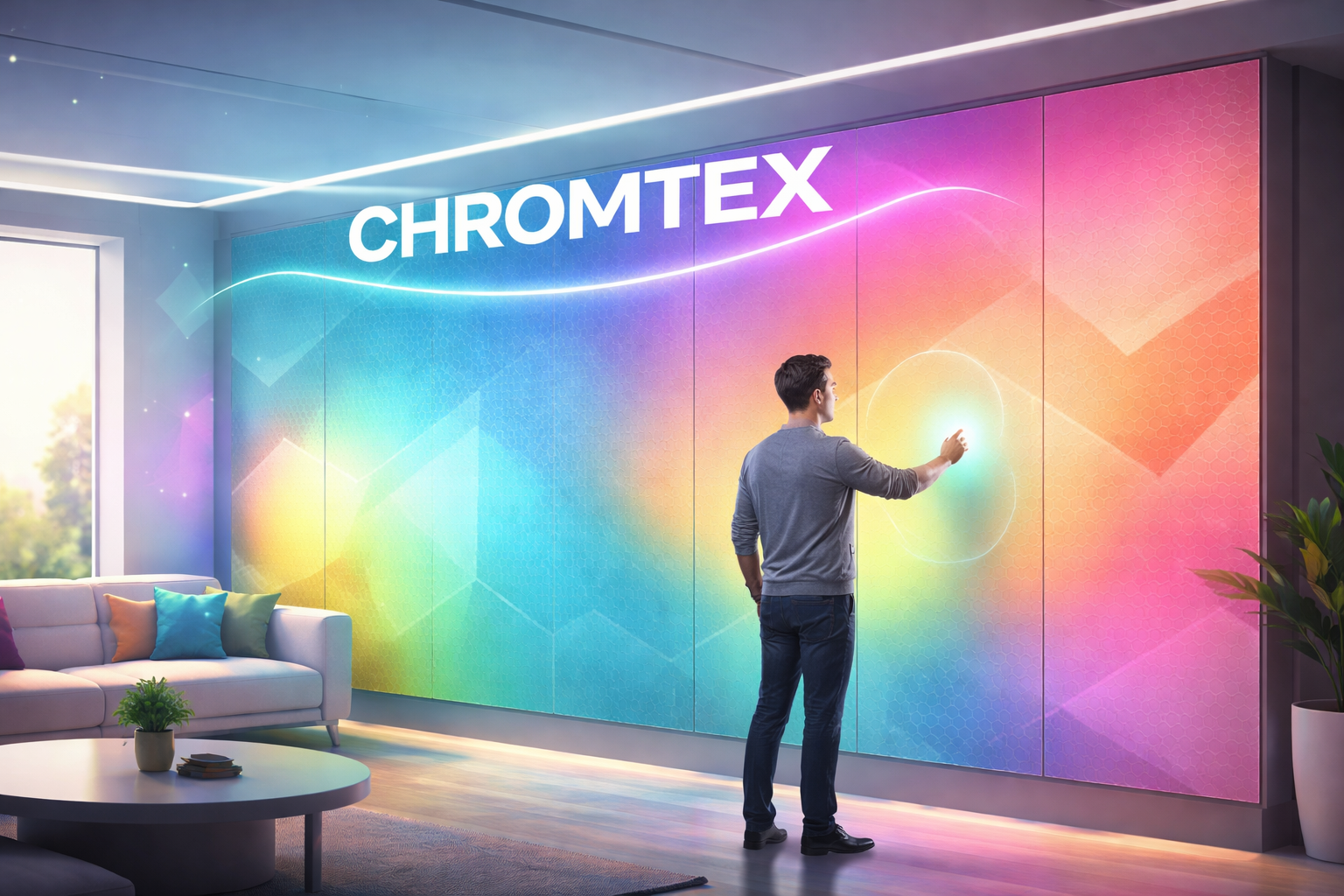
Introduction
In a world where materials are expected to do more than just exist, chromtex stands out as a bold leap forward. Imagine a surface that responds, adapts, protects, and even communicates. That’s the promise behind chromtex—a dynamic material concept designed to blend technology, aesthetics, and functionality into one seamless experience. It’s not just about how something looks; it’s about how it performs under pressure, under light, and under real-life demands.
As industries push boundaries—from architecture and automotive to fashion and consumer electronics—chromtex has emerged as a flexible, intelligent solution. In this comprehensive guide, you’ll explore what chromtex is, how it works, where it’s applied, and why it matters. Whether you’re a designer, engineer, entrepreneur, or simply curious about the future of smart materials, this article will give you a clear, practical, and forward-thinking understanding of chromtex.
Will You Check This Article:Chameleónovité: Masters of Color and Survival
What Is chromtex?
At its core, chromtex is a next-generation engineered surface technology designed to combine color adaptability, durability, and embedded responsiveness. The name itself reflects its dual nature: “chroma” for color and “tex” for textile or texture. But chromtex isn’t limited to fabrics. It can be applied to rigid panels, flexible sheets, coatings, and hybrid composites.
Unlike traditional materials that serve a single function, chromtex integrates micro-layered systems capable of reacting to environmental stimuli such as heat, light, moisture, or electrical signals. This enables surfaces to shift hues, alter texture, or activate protective properties in real time.
Quick Overview of chromtex
| Feature | Description |
|---|---|
| Core Function | Adaptive surface technology |
| Key Properties | Color-shifting, durable, responsive |
| Applications | Fashion, automotive, architecture, electronics |
| Customization | High flexibility in design and finish |
| Sustainability Potential | Energy-efficient coatings and smart insulation |
This hybrid identity makes chromtex relevant across multiple industries, from creative fields to industrial engineering.
Understanding chromtex Technology
To truly appreciate chromtex, it helps to understand the layers beneath its surface. It’s not magic. It’s advanced material science working quietly and efficiently.
Multi-Layer Micro-Engineering
chromtex typically consists of several ultra-thin layers bonded together. Each layer serves a purpose. One may control color through thermochromic or electrochromic compounds. Another may provide structural strength. A third might regulate moisture or resist abrasion.
These layers communicate through embedded conductive pathways. When triggered—say, by temperature change—the surface responds. The result? A wall panel that darkens under intense sunlight or a jacket that adjusts tone depending on the weather.
Intelligent Responsiveness
Unlike static finishes, chromtex is responsive. That responsiveness can be passive or active. Passive systems react automatically to environmental factors. Active systems require a small power source to trigger changes.
Think of it like smart glass in modern buildings. But instead of limiting itself to transparency shifts, chromtex extends that concept to color, texture, and thermal regulation.
The beauty lies in subtlety. Changes are smooth. Transitions feel natural. Users experience functionality without complexity.
Why chromtex Matters Today
Modern consumers expect more. Products must be durable yet beautiful. Efficient yet expressive. chromtex meets those expectations head-on.
Design Freedom Without Compromise
Designers often face a trade-off between aesthetics and performance. With chromtex, that compromise shrinks. Surfaces can maintain strength while offering dynamic visual appeal.
Consider a retail space that changes wall colors seasonally without repainting. Or vehicle interiors that adjust ambient tones for mood lighting. chromtex makes those ideas practical, not futuristic fantasies.
Energy Efficiency and Environmental Impact
Color and heat absorption are closely linked. Dark surfaces absorb more heat; lighter ones reflect it. chromtex can shift between states, optimizing energy use.
For example, a building exterior coated with chromtex may lighten during hot months to reflect sunlight and darken in winter to retain warmth. Over time, these adjustments reduce heating and cooling demands.
That’s innovation with environmental awareness.
Applications of chromtex Across Industries
chromtex isn’t limited to one sector. Its flexibility makes it adaptable across diverse industries.
Architecture and Construction
In modern architecture, materials must do more than support structures. They must also contribute to efficiency and aesthetic harmony.
Facade panels made with chromtex can adapt to light conditions throughout the day. Interior walls can respond to temperature changes, subtly shifting tone to create different moods. Even roofing systems can benefit from adaptive heat reflection.
Architects gain a tool that blends art with performance.
Automotive and Transportation
Automotive designers constantly seek differentiation. chromtex offers exterior finishes that subtly change color under sunlight or interior trims that adjust ambiance at night.
Beyond aesthetics, adaptive coatings can reduce heat buildup inside vehicles. This lowers reliance on air conditioning, improving comfort and efficiency.
Luxury brands especially benefit from customizable, responsive finishes.
Fashion and Wearable Technology
In fashion, innovation often defines identity. chromtex-based fabrics allow garments to shift shades with temperature changes or lighting conditions.
Imagine athletic wear that darkens during intense activity or outerwear that adjusts to match environmental tones. Beyond style, such adaptability enhances functionality.
Wearable tech brands also use chromtex surfaces to conceal embedded sensors seamlessly.
Consumer Electronics
Devices today must be sleek yet durable. chromtex coatings provide scratch resistance while enabling dynamic visual effects.
Smartphone backs that subtly shift hue. Laptop lids that respond to ambient light. Home devices that integrate into décor by adjusting color. These aren’t gimmicks—they enhance user experience.
The Science Behind chromtex
Science fuels every breakthrough. chromtex relies on advanced chemical compounds and nano-engineered materials.
Thermochromic and Electrochromic Compounds
Thermochromic compounds change color with temperature variations. Electrochromic materials shift hue when voltage is applied. chromtex often blends both, depending on application needs.
These materials are carefully calibrated. They must react predictably and repeatedly without degrading over time.
Consistency matters. Reliability builds trust.
Durability and Longevity
One concern with adaptive materials is wear. chromtex addresses this through protective outer layers resistant to UV exposure, abrasion, and moisture.
Manufacturers conduct stress testing under extreme conditions—heat cycles, impact simulations, and chemical exposure. The goal is simple: long-term performance.
Durability ensures chromtex remains viable beyond novelty.
Customization and Creative Potential
One of chromtex’s strongest advantages is its adaptability.
Designers can select base colors, transition ranges, and response triggers. The material can be matte, glossy, textured, or smooth. It can be subtle or dramatic.
This flexibility empowers creative industries. A hotel lobby might choose slow, ambient shifts for calmness. A gaming accessory brand might opt for bold, reactive changes.
chromtex becomes a storytelling tool.
Manufacturing and Integration
Advanced materials only succeed if they integrate smoothly into existing production lines.
Scalable Production
chromtex can be manufactured in rolls, sheets, or pre-molded forms. This versatility allows integration into textile weaving, injection molding, and panel fabrication processes.
Scalability reduces costs. It makes adoption feasible for both startups and global manufacturers.
Compatibility with Other Systems
Another strength lies in compatibility. chromtex surfaces can integrate with lighting systems, sensors, and control modules.
For example, in smart homes, chromtex wall panels may connect to environmental sensors, adjusting automatically to indoor conditions.
The material doesn’t stand alone. It collaborates.
Real-World Case Study
A mid-sized urban hotel sought to reduce energy use while enhancing guest experience. Instead of traditional repainting and LED lighting upgrades, they installed chromtex-based wall panels in their atrium.
During peak daylight hours, panels shifted to lighter shades, reflecting heat and lowering cooling demand. At night, subtle darker tones created a cozy atmosphere without excessive artificial lighting.
Within a year, the hotel reported noticeable energy savings and improved guest feedback. The change wasn’t loud or flashy. It was elegant and efficient.
That’s the quiet power of chromtex.
Challenges and Considerations
No innovation is without challenges.
Initial costs can be higher than conventional materials. Installation may require specialized knowledge, particularly for active systems requiring power sources.
There’s also the matter of long-term recycling. While chromtex offers sustainability benefits in operation, end-of-life material recovery remains an evolving area.
However, ongoing research continues to refine recyclability and production efficiency.
Progress never stands still.
Future of chromtex
The future looks promising. Researchers are exploring biodegradable adaptive compounds and ultra-thin energy-harvesting layers that eliminate external power needs.
Integration with artificial intelligence may allow surfaces to learn usage patterns. Buildings could adjust automatically based on occupancy habits. Vehicles might tailor interior ambiance to driver preferences.
As smart environments become mainstream, chromtex will likely move from premium innovation to everyday standard.
Conclusion
chromtex represents more than a material upgrade. It symbolizes a shift toward responsive, intelligent design. By combining adaptability, durability, and aesthetic flexibility, it bridges the gap between function and beauty.
Throughout this guide, we explored its technological foundations, real-world applications, and future possibilities. From architecture to fashion, chromtex provides tangible benefits—energy efficiency, customization, and enhanced user experience.
If you’re considering next-generation materials for a project or product, start thinking beyond static surfaces. Look for solutions that adapt, protect, and inspire. chromtex offers that opportunity. And as innovation accelerates, embracing responsive materials today positions you ahead of tomorrow’s expectations.
Frequently Asked Questions (FAQs)
1. What exactly is chromtex used for?
chromtex is used in adaptive surfaces across industries like architecture, automotive, fashion, and electronics. It enables color shifts and responsive functionality.
2. Does chromtex require electricity to work?
Some versions are passive and react to temperature or light. Active systems may use minimal electrical input for controlled changes.
3. Is chromtex durable for outdoor use?
Yes, high-quality chromtex includes protective layers resistant to UV rays, moisture, and abrasion, making it suitable for exterior applications.
4. Can chromtex reduce energy costs?
In certain applications, adaptive color changes can help regulate heat absorption, potentially lowering heating and cooling demands.
5. Is chromtex environmentally friendly?
While production methods continue to evolve, chromtex can improve operational energy efficiency and support sustainable building strategies.

Introduction
The concept of plangud is not just a simple idea—it represents a deeper way of understanding how people plan, adapt, and respond to change in both personal and professional life. In today’s fast-moving world, where uncertainty has become a constant factor, traditional rigid systems often fail to deliver long-term results. This is where plangud becomes highly relevant. It introduces a balanced approach that allows individuals and organizations to maintain structure while staying flexible enough to handle unexpected situations.
Rather than treating planning as a fixed process, plangud encourages a continuous cycle of thinking, adjusting, and improving. This makes it not only practical but also sustainable in environments where change is inevitable. In this article, we will explore the real meaning of plangud, how it works, where it applies, and why it has become an important concept in modern thinking.
Will You Check This Article:Florncelol: A Deep Dive Into a New Age Concept of Expression
Understanding the True Meaning of Plangud
What Plangud Really Represents
Plangud can be understood as a hybrid approach that combines planning with adaptability. It does not reject planning; instead, it redefines it. In traditional systems, planning often involves setting fixed steps and expecting everything to follow a predictable path. However, plangud recognizes that reality rarely works that way. It accepts uncertainty as a natural part of any process and builds flexibility into the structure itself.
At its core, plangud is about maintaining clarity of purpose while allowing the method to evolve. This means that the end goal remains stable, but the path toward that goal can change based on new information, feedback, or circumstances. This approach is particularly useful in situations where variables are constantly shifting, such as business environments, creative projects, or even personal life decisions.
The Philosophy Behind Plangud
The philosophy of plangud is rooted in the idea that control is not always possible, but direction is. Instead of trying to control every detail, plangud focuses on guiding actions in the right direction while staying open to adjustments. This creates a more realistic and practical system that aligns with how real-world situations unfold.
It also promotes a mindset of learning and improvement. Every change is seen as an opportunity to refine the approach rather than a failure of the original plan. This perspective not only reduces frustration but also encourages growth and innovation.
The Evolution of Plangud in Modern Thinking
Why Traditional Planning Became Insufficient
In earlier times, planning systems were designed for stable environments where change was minimal. People could rely on predictable patterns, and long-term plans were more likely to succeed. However, as the world became more interconnected and dynamic, these systems started to show their limitations.
Rigid plans often failed when unexpected challenges arose. Whether it was economic shifts, technological advancements, or changes in consumer behavior, fixed strategies struggled to keep up. This created a need for a more flexible approach—one that could handle uncertainty without losing direction. Plangud emerged as a response to this need.
How Plangud Aligns with Modern Needs
Today’s world demands adaptability. Whether you are managing a business, pursuing a career, or handling personal responsibilities, the ability to adjust quickly is essential. Plangud fits perfectly into this environment because it is designed to evolve alongside changing conditions.
It allows individuals and organizations to stay prepared without becoming rigid. This balance is what makes it so powerful. Instead of breaking under pressure, a plangud-based system adapts and continues to function effectively.
Core Principles That Define Plangud
Maintaining Direction Without Rigidity
One of the most important aspects of plangud is its focus on direction rather than strict structure. This means that while the goal is clearly defined, the steps to achieve it are not fixed. This approach provides a sense of purpose while allowing room for creativity and adjustment.
For example, consider someone working toward a career goal. A rigid plan might involve a specific timeline and set of actions. However, unexpected opportunities or challenges can disrupt this plan. With plangud, the individual remains focused on the goal but adjusts their approach as needed, ensuring continuous progress.
Continuous Feedback and Adjustment
Plangud relies heavily on ongoing evaluation. Instead of waiting until the end to assess success or failure, it encourages regular reflection. This allows for timely adjustments, preventing small issues from becoming major problems.
This principle is especially useful in complex environments where conditions can change rapidly. By staying responsive, plangud ensures that progress remains aligned with the desired outcome.
Practical Applications of Plangud in Real Life
Personal Life and Daily Decision-Making
In personal life, plangud can transform the way individuals manage their time, goals, and responsibilities. Instead of following a strict schedule that can easily become overwhelming, people can create flexible plans that adapt to their daily needs.
For instance, someone trying to improve their health might set general goals such as exercising regularly and eating better. Instead of rigidly following a fixed routine, they adjust their activities based on their schedule, energy levels, and circumstances. This makes the process more sustainable and less stressful.
Professional and Business Environments
In professional settings, plangud offers significant advantages. Businesses often operate in unpredictable markets where conditions can change quickly. A rigid strategy may fail to respond effectively to these changes, leading to missed opportunities or losses.
By adopting plangud, organizations can create strategies that are both structured and adaptable. Teams can set clear objectives while remaining open to new ideas and adjustments. This not only improves efficiency but also enhances innovation and resilience.
Benefits of Using the Plangud Approach
Enhanced Problem-Solving Ability
Plangud encourages flexible thinking, which is essential for solving complex problems. Instead of being limited to a single solution, individuals can explore multiple options and choose the most effective one based on current conditions.
This leads to better outcomes and a deeper understanding of the situation.
Reduced Stress and Greater Balance
Rigid systems often create pressure because they leave little room for error. When things don’t go as planned, it can lead to frustration and anxiety. Plangud reduces this stress by normalizing change and encouraging adaptability.
This creates a more balanced approach to both work and life.
Encouraging Innovation and Creativity
By allowing room for experimentation, plangud naturally fosters creativity. Individuals and teams are more likely to explore new ideas and approaches, leading to innovative solutions.
This is particularly valuable in fields that require constant improvement and originality.
Real-World Example of Plangud in Action
A Business Scenario
Imagine a startup launching a new product. A traditional approach might involve a detailed plan that outlines every step of the process. However, market conditions can change, customer preferences can shift, and unexpected challenges can arise.
Using plangud, the startup sets clear goals but remains flexible in execution. They gather feedback, analyze results, and adjust their strategy accordingly. This allows them to respond effectively to changes and improve their chances of success.
This example highlights how plangud provides both stability and adaptability, making it a powerful tool in uncertain environments.
Common Misunderstandings About Plangud
It Is Not a Lack of Planning
Some people assume that plangud means avoiding planning altogether. In reality, it emphasizes thoughtful planning that includes flexibility. The goal is not to eliminate structure but to make it more adaptable.
It Does Not Lead to Disorder
Another misconception is that plangud creates chaos. However, because it maintains a clear direction, it actually brings clarity and purpose to the process. Every adjustment is intentional and aligned with the overall objective.
How to Apply Plangud Effectively
Define Clear Objectives
The first step in implementing plangud is to establish clear goals. Without a defined objective, flexibility can become directionless. Having a strong sense of purpose ensures that all adjustments remain meaningful.
Stay Open to Change
Flexibility is at the heart of plangud. This means being willing to adapt when necessary and viewing change as an opportunity rather than a setback.
Regularly Evaluate Progress
Continuous evaluation is essential for success. By reviewing progress regularly, individuals and organizations can identify areas for improvement and make timely adjustments.
Conclusion
Plangud represents a modern approach to planning that aligns with the realities of today’s world. By combining structure with flexibility, it offers a practical and effective way to navigate uncertainty. Whether applied in personal life or professional settings, it helps individuals stay focused while remaining adaptable.
Throughout this article, we explored the meaning, principles, applications, and benefits of plangud. The key takeaway is that success is not about following a rigid path but about maintaining direction while adapting to change. By embracing this approach, you can improve decision-making, reduce stress, and achieve better outcomes in a constantly evolving environment.
Frequently Asked Questions (FAQs)
1. What is the main idea behind plangud?
Plangud focuses on combining planning with flexibility, allowing individuals to adjust their approach while staying aligned with their goals.
2. Where can plangud be applied?
It can be used in personal life, business strategies, project management, and any situation that requires adaptability.
3. Is plangud better than traditional planning?
It is more suitable for dynamic environments where change is frequent, as it allows adjustments without losing direction.
4. Does plangud require experience to use?
No, anyone can apply it by setting clear goals, staying flexible, and regularly evaluating progress.
5. How does plangud improve results?
By encouraging continuous improvement and adaptability, it helps individuals and organizations respond effectively to challenges and opportunities.

Introduction
The phrase kotora melnkalne carries a mysterious and intriguing tone, often leaving people curious about its true meaning and background. At first glance, it may seem like a rare or unfamiliar term, yet it connects deeply to history, geography, and cultural identity. Many interpret kotora melnkalne as a linguistic or symbolic reference linked to the breathtaking region of Kotor in Montenegro—a place known for its medieval charm, coastal beauty, and layered heritage.
In this article, you’ll uncover the deeper meaning behind kotora melnkalne, explore its linguistic roots, understand its cultural significance, and see how it relates to real-world places and traditions. By the end, you’ll not only understand the phrase but also appreciate why it resonates with history lovers, travelers, and curious minds alike.
Will You Check This Article:Neatlanta: The Blueprint for Smarter Urban Living
Understanding the Meaning of Kotora Melnkalne
Linguistic Interpretation of Kotora Melnkalne
To fully grasp kotora melnkalne, it helps to break the phrase into parts. “Kotora” closely resembles “Kotor,” a historic town in Montenegro. Meanwhile, “melnkalne” appears to be a stylized or altered version of “Montenegrin” or “Montenegro.” Together, the phrase can be interpreted as “Kotor, Montenegro” or something symbolically tied to that region.
Language often evolves through dialects, transliterations, or online usage. In many cases, phrases like kotora melnkalne emerge from phonetic spellings, cultural blends, or even creative reinterpretations. That’s why it doesn’t always appear in formal dictionaries but still holds meaning in context.
Why the Phrase Feels Unique
What makes kotora melnkalne interesting is its hybrid nature. It doesn’t strictly belong to one language. Instead, it feels like a bridge between cultures—possibly influenced by Slavic roots, travel discussions, or digital trends.
Think of it like hearing a familiar song in a slightly different accent. The melody remains, but the expression changes. Similarly, kotora melnkalne keeps the essence of Kotor while presenting it in a fresh, slightly altered form.
Kotora Melnkalne and the Beauty of Kotor
A Historic Coastal Treasure
Kotor is one of the most picturesque towns in Europe. Nestled between dramatic mountains and a serene bay, it has a rich history dating back to medieval times. When people use or encounter kotora melnkalne, they are often indirectly referring to this stunning location.
The town’s fortified walls, ancient churches, and cobbled streets tell stories of centuries past. Every corner feels like a step back in time. It’s no surprise that phrases connected to Kotor carry a sense of mystery and charm.
Cultural and Emotional Connection
Beyond geography, kotora melnkalne evokes emotion. It represents more than just a place—it symbolizes heritage, beauty, and timelessness.
For travelers, it might remind them of quiet evenings by the bay. For historians, it reflects layers of cultural influence, from Roman to Venetian. And for language enthusiasts, it shows how words evolve across borders.
The Origins Behind Kotora Melnkalne
Possible Historical Influences
Although kotora melnkalne is not a formally documented phrase, its roots likely stem from historical and linguistic blending. Montenegro itself has been influenced by various civilizations—Illyrian, Roman, Byzantine, and Venetian. Each left traces in language and culture.
When names travel across regions, they often change slightly. This transformation can lead to variations like kotora melnkalne. It’s similar to how “Florence” becomes “Firenze” in Italian. The core identity remains, but the expression shifts.
Digital Age Evolution
In today’s world, language evolves faster than ever. Social media, travel blogs, and online communities often create or popularize unique phrases. Kotora melnkalne may have gained traction through such platforms, where users adapt names to different spellings or styles.
This doesn’t make the phrase incorrect—it simply reflects modern communication. In fact, such variations often make language more dynamic and inclusive.
Why Kotora Melnkalne Matters Today
A Symbol of Cultural Curiosity
Using or exploring kotora melnkalne shows curiosity about the world. It represents a desire to understand places beyond their surface names.
When someone searches for or discusses this phrase, they’re not just looking for a definition—they’re seeking context, meaning, and connection. That’s what makes it valuable.
Bridging Language and Travel
Kotora melnkalne also highlights how travel and language intersect. A single phrase can carry geographic, cultural, and emotional layers.
For example, someone planning a trip to Montenegro might come across this phrase and become curious. That curiosity leads to learning about Kotor, its history, and its significance. In this way, the phrase acts as a gateway to deeper exploration.
Exploring Kotor Through the Lens of Kotora Melnkalne
The Experience of Being There
Imagine walking through Kotor’s narrow streets, surrounded by stone buildings that have stood for centuries. The air carries a mix of sea breeze and history. This is the essence captured by kotora melnkalne—a blend of place and feeling.
Climbing the fortress above the town offers breathtaking views of the bay. It’s moments like these that give meaning to phrases tied to locations. Words alone can’t fully describe the experience, but they can point you toward it.
A Living Cultural Landscape
Kotor isn’t frozen in time. It’s a living town where tradition meets modern life. Festivals, local cuisine, and daily routines all contribute to its identity.
Kotora melnkalne, in a way, reflects this blend. It’s not just historical—it’s evolving, just like the town itself.
Common Interpretations of Kotora Melnkalne
While the phrase may vary in meaning depending on context, here are the most common interpretations:
- A stylized or alternative way of saying “Kotor, Montenegro”
- A symbolic phrase representing the cultural beauty of the region
These interpretations highlight how flexible language can be. Instead of having one fixed definition, kotora melnkalne adapts to how people use and understand it.
The Broader Significance of Unique Phrases
Language as a Living System
Phrases like kotora melnkalne remind us that language is constantly changing. New expressions emerge, old ones evolve, and meanings shift over time.
This is not a flaw—it’s a strength. It allows language to reflect human creativity and cultural exchange.
The Role of Interpretation
Not every phrase needs a strict definition. Sometimes, meaning comes from context and usage. Kotora melnkalne is a perfect example of this.
It encourages us to think beyond rigid boundaries and appreciate the fluid nature of communication.
Conclusion
Kotora melnkalne is more than just an unusual phrase—it’s a doorway into culture, geography, and linguistic creativity. While it may not appear in formal references, its connection to Kotor, Montenegro gives it depth and relevance.
Throughout this article, we explored its possible meaning, origins, and significance. We saw how it reflects both historical influence and modern evolution. Most importantly, we understood how a simple phrase can carry layers of meaning, emotion, and curiosity.
If you encounter kotora melnkalne again, you’ll know it’s not just a random term. It’s a subtle nod to a beautiful place and a reminder of how language continues to grow and adapt. Let it inspire you to explore, question, and discover more about the world around you.
Frequently Asked Questions (FAQs)
1. What does kotora melnkalne mean?
Kotora melnkalne is generally interpreted as a variation of “Kotor, Montenegro.” It reflects a linguistic or stylistic adaptation of the place name.
2. Is kotora melnkalne an official term?
No, it is not officially recognized. However, it is used informally in certain contexts, especially online or in creative language.
3. Why is kotora melnkalne associated with Kotor?
The word “kotora” closely resembles Kotor, while “melnkalne” appears to reference Montenegro, linking the phrase to that region.
4. Where is Kotor located?
Kotor is a coastal town in Montenegro, known for its medieval architecture and scenic bay surrounded by mountains.
5. Why do phrases like kotora melnkalne exist?
Such phrases often emerge from language evolution, cultural blending, or digital communication, where words are adapted creatively.

Introduction
Language constantly evolves, and with it, new terms emerge that capture subtle yet important ways of thinking. One such term is speciering, a concept that has quietly appeared across blogs, discussions, and informal knowledge spaces. At first glance, it may seem unfamiliar or even ambiguous, but when explored deeply, speciering reveals a meaningful process tied to how humans interpret, organize, and differentiate information.
In simple terms, speciering reflects our natural tendency to identify distinctions, assign categories, and build understanding based on observed differences. This article takes a research-driven, human-centered approach to unpack speciering—its meaning, origins, practical uses, and real-world implications. By the end, you will not only understand speciering clearly but also recognize how it shapes everyday thinking and decision-making in subtle yet powerful ways.
Will You Check This Article:Konversky: Understanding the Emerging Concept of Smart Digital Conversations
Understanding Speciering: A Deeper, Practical Meaning
Speciering is best understood as a thoughtful process of distinguishing and grouping elements based on meaningful differences and shared traits. Unlike rigid classification systems, speciering is fluid, context-driven, and often shaped by personal perception or situational needs. It is not just about labeling things; rather, it involves understanding why certain things belong together and how they differ from others.
When people encounter complex information, they instinctively try to simplify it. This simplification often happens through speciering. For example, when someone evaluates different career paths, they may group them based on creativity, stability, or income potential. This mental structuring is not random; it reflects a deeper cognitive effort to make sense of complexity in a manageable way.
What makes speciering particularly interesting is that it is not always conscious. People engage in it naturally while thinking, learning, or communicating. It becomes a silent tool that helps transform confusion into clarity without requiring formal rules or systems.
The Background and Conceptual Roots of Speciering
The Influence of Classification Thinking
Although the term speciering is relatively modern and not formally standardized, the idea behind it is deeply rooted in human history. From early civilizations to modern societies, humans have relied on classification as a way to understand the world. Whether it was grouping plants for medicinal use or organizing knowledge into disciplines, the underlying principle remains the same—creating order out of complexity.
Speciering can be seen as an extension of this traditional thinking, but with a more flexible and interpretive approach. Instead of fixed categories, it allows for overlapping, evolving, and context-sensitive groupings. This makes it more adaptable to modern environments where information is constantly changing.
The Shift Toward Flexible Thinking
In contemporary discussions, speciering reflects a shift away from rigid structures toward more dynamic thinking patterns. People today deal with diverse perspectives, rapid information flow, and complex choices. In such a setting, strict categorization often falls short. Speciering fills this gap by offering a more nuanced way to interpret differences without oversimplifying them.
For example, in digital spaces where opinions, trends, and ideas evolve quickly, individuals often “specier” content based on relevance, tone, or credibility. This helps them filter what matters without relying on fixed frameworks.
Why Speciering Matters in Everyday Life
Making Better Decisions Through Structured Thinking
Everyday life is filled with decisions, both small and significant. Speciering plays a crucial role in simplifying these decisions by breaking them into understandable parts. Instead of facing overwhelming options, individuals create internal categories that help them compare and evaluate effectively.
Consider someone planning a trip. They may group destinations based on budget, climate, or cultural experience. This process reduces confusion and allows them to focus on what aligns with their preferences. Without speciering, decision-making would feel scattered and inefficient.
Enhancing Clarity in Communication
Communication often fails when ideas are not clearly defined or distinguished. Speciering helps people articulate thoughts in a more organized manner by separating concepts and highlighting differences. This leads to clearer conversations and better mutual understanding.
For instance, when discussing personal goals, distinguishing between short-term and long-term objectives makes the conversation more structured. It prevents misunderstandings and ensures that everyone involved shares the same perspective.
Speciering in Different Contexts
Cognitive and Learning Context
In learning environments, speciering is a powerful mental tool. Students naturally group information into themes, patterns, or categories to make it easier to understand and remember. This is especially useful when dealing with complex subjects that require connecting multiple ideas.
For example, when studying history, learners often organize events based on time periods or themes. This approach allows them to see relationships between events rather than viewing them as isolated facts. Speciering, in this case, enhances both comprehension and retention.
Social and Behavioral Context
In social settings, speciering helps individuals interpret and navigate human interactions. People often group behaviors, personalities, or roles to better understand relationships and dynamics. While this can be helpful, it also requires careful awareness to avoid oversimplification or bias.
For example, someone may categorize interactions as professional, casual, or emotional. This helps them adjust their communication style accordingly. However, responsible use of speciering means remaining open to complexity and avoiding rigid assumptions.
Speciering in Creative and Practical Fields
Creative Thinking and Idea Development
Creativity often begins with exploring possibilities and identifying patterns. Speciering supports this process by helping creators organize their ideas into meaningful groups. This organization allows them to refine concepts and develop more focused outcomes.
A designer, for instance, might group visual elements based on style, color, or purpose. This helps them create cohesive designs rather than random combinations. Speciering, in this sense, acts as a bridge between imagination and structure.
Application in Work and Strategy
In professional environments, speciering is frequently used to manage complexity and improve efficiency. It allows individuals and teams to break down large problems into smaller, more manageable parts. This leads to better planning and more effective solutions.
For example, when working on a project, tasks are often grouped based on priority, function, or timeline. This structured approach ensures that efforts are aligned and progress remains organized. Speciering transforms overwhelming workloads into clear, actionable steps.
Real-Life Examples That Show Speciering in Action
Speciering is not limited to theory; it appears in everyday situations in practical ways. A teacher may group students based on learning styles to provide tailored support. A chef might organize ingredients by flavor profiles to create balanced dishes. A consumer may evaluate products by comparing features, quality, and price before making a purchase.
These examples highlight how speciering simplifies complexity and improves outcomes. It allows individuals to approach situations with clarity and purpose rather than confusion. The process is flexible and adapts to different needs, making it universally applicable.
Common Misconceptions About Speciering
Confusing Speciering with Simple Categorization
One of the most common misunderstandings is that speciering is just another term for categorization. While the two are related, speciering involves a deeper level of thinking. It focuses not only on grouping but also on understanding the relationships and differences within those groups.
Categorization can sometimes be mechanical, whereas speciering is more reflective and adaptive. It encourages individuals to think critically about how and why things are organized.
The Fear of Limiting Perspective
Some people worry that organizing ideas might limit creativity or lead to narrow thinking. However, when used thoughtfully, speciering actually enhances perspective. It provides a clear structure that allows for better exploration and innovation.
By organizing ideas, individuals can identify gaps, discover connections, and experiment with new combinations. Rather than restricting thought, speciering creates a foundation for deeper understanding.
The Growing Importance of Speciering in Modern Life
As the volume of information continues to grow, the ability to filter and interpret data becomes increasingly valuable. Speciering offers a practical way to manage this complexity without becoming overwhelmed. It helps individuals focus on what matters and make informed decisions in a fast-paced environment.
In a world where people are constantly exposed to diverse ideas and perspectives, speciering also supports thoughtful engagement. It allows individuals to recognize differences without oversimplifying them, promoting a more balanced and informed approach to understanding the world.
Conclusion
Speciering is a subtle yet powerful concept that influences how we think, learn, and interact with our surroundings. It goes beyond simple categorization by emphasizing meaningful distinctions and thoughtful organization. From everyday decisions to creative processes, speciering plays a vital role in bringing clarity to complexity.
By understanding and applying speciering consciously, individuals can improve their decision-making, enhance communication, and approach challenges with greater confidence. It is not a rigid system but a flexible mindset that adapts to different situations and needs.
In a rapidly changing world, the ability to organize and interpret information effectively is more important than ever. Speciering provides a practical and intuitive way to achieve this, making it a valuable skill for both personal and professional growth.
Frequently Asked Questions (FAQs)
1. What is speciering in simple words?
Speciering is the process of grouping and distinguishing things based on their characteristics to better understand and organize information.
2. Is speciering a formal concept?
It is not a widely standardized academic term, but the idea behind it is rooted in natural human thinking and classification behavior.
3. How does speciering help in daily life?
It helps simplify decisions, organize thoughts, and improve clarity when dealing with complex information or choices.
4. Can speciering improve learning?
Yes, it allows learners to structure information into meaningful patterns, making it easier to understand and remember.
5. Is speciering the same for everyone?
No, it can vary depending on individual perspective, context, and experience, which makes it flexible and adaptable.

Mila Volovich: Life, Career, and Global Influence

TXCOVIDTEST Guide: Everything You Need to Know Today

Tiffany Pesci: Real Life Story, Career, and Where She Is in 2026

Lee Mack Wife Blind: Facts, Rumors, and the Truth Explained

Riverbank Collapse Iford Playing Fields: Causes, Impacts, and Recovery
