
celebrity
Marilyn Kroc Barg: The Philanthropic Legacy

Introduction
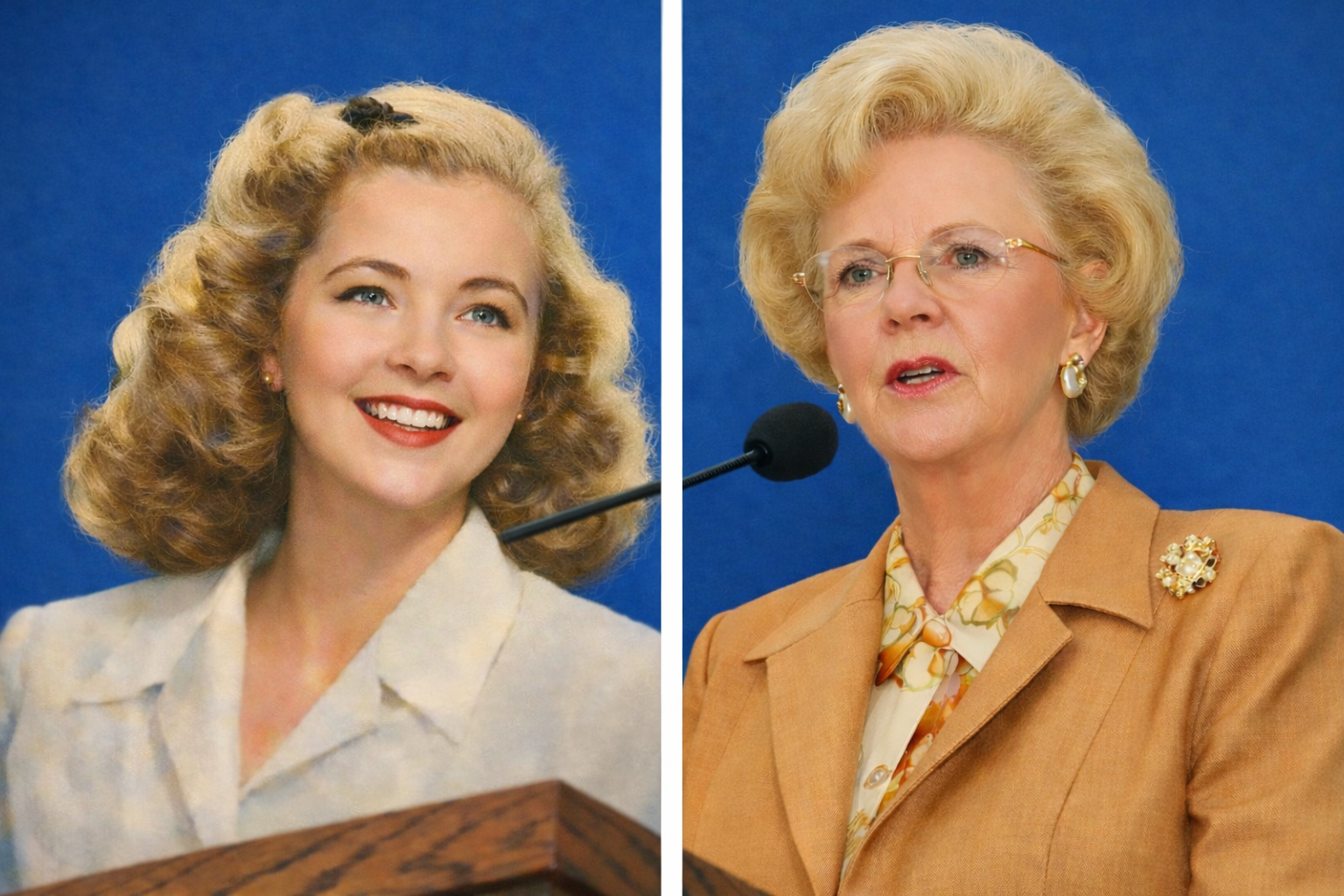
When people hear the name marilyn kroc barg, they often think of quiet generosity, deep compassion, and a legacy that extends far beyond fast food fortune headlines. While she was the only child of McDonald’s visionary Ray Kroc, Marilyn carved her own identity through meaningful philanthropy, cultural patronage, and humanitarian support. She lived a life shaped by privilege, yes—but also by purpose.
This article explores who Marilyn Kroc Barg was, her personal journey, her marriages, her charitable contributions, and the lasting impact of her family’s wealth. You’ll discover how her life intersected with major institutions, global causes, and community initiatives. More importantly, you’ll understand why her story still matters today—especially in conversations about inheritance, responsibility, and legacy.
Will You Check This Article:ksözcü: Meaning, Impact, and Digital Evolution
Quick Profile: Marilyn Kroc Barg
Before diving deeper, here’s a concise snapshot of her life:
| Detail | Information |
|---|---|
| Full Name | Marilyn Janet Kroc Barg |
| Born | October 15, 1924 |
| Died | September 11, 1973 |
| Father | Ray Kroc |
| Mother | Ethel Janet Fleming |
| Known For | Philanthropy, charitable donations |
| Marriages | Sylvester Barg, Richard L. Shiff |
| Notable Legacy | Financial gifts to charitable causes |
Though her life was relatively short, her influence reached far beyond her 48 years.
Early Life and Family Background
Marilyn Janet Kroc was born in 1924, long before McDonald’s became a global icon. Her father, Ray Kroc, was still years away from transforming a small California burger stand into the fast-food empire known as McDonald’s.
Growing up, Marilyn experienced the evolution of her father’s ambition firsthand. She witnessed the intense work ethic that later defined him. Yet her upbringing wasn’t simply about business strategy or expansion. It was shaped by Midwestern values, resilience, and family expectations.
Ray Kroc and Ethel Fleming divorced when Marilyn was young. The separation affected her emotionally, as it would any child. Still, she maintained a relationship with her father. As McDonald’s expanded nationwide and then globally, Marilyn entered adulthood during a period of rapid wealth accumulation in her family.
That wealth would later become both an opportunity and a responsibility.
Marilyn Kroc Barg’s Personal Life
Marriage to Sylvester Barg
Marilyn first married Sylvester Barg, a businessman with interests in various ventures. The marriage placed her further within elite social circles. However, like many high-profile marriages of the time, it eventually ended in divorce.
Divorce in mid-20th-century America carried social weight. For someone in Marilyn’s position, it also carried financial and public implications. Yet she handled personal transitions privately, choosing discretion over spectacle.
Marriage to Richard L. Shiff
Her second marriage was to Richard L. Shiff. This chapter of her life was more stable and reportedly brought her emotional fulfillment. Together, they engaged in social and charitable circles that reflected Marilyn’s growing interest in philanthropy.
Despite her wealth, Marilyn avoided flamboyant public attention. She preferred quiet contribution over public praise—a trait that would define her legacy.
Marilyn Kroc Barg and Philanthropy
If there’s one area where marilyn kroc barg truly made her mark, it was philanthropy.
Unlike some heirs who simply preserve wealth, Marilyn actively redistributed it. She believed in supporting organizations that addressed social inequality, education, and community well-being. Though documentation of her charitable giving isn’t as publicly expansive as her father’s later foundation work, records indicate substantial financial contributions during her lifetime.
Her approach to giving reflected three core principles:
- Quiet generosity
- Strategic financial support
- Long-term community benefit
She didn’t chase recognition. She chased impact.
The Kroc Family Legacy and Broader Influence
To understand Marilyn’s influence, it’s important to understand the broader Kroc legacy. Her father’s transformation of McDonald’s reshaped global dining habits. But the family’s impact extended well beyond burgers and fries.
After Ray Kroc married Joan Kroc, the family became widely known for charitable donations. Joan Kroc later donated billions to causes such as peace initiatives, addiction treatment, and community centers.
While Joan’s giving was more publicly documented, Marilyn’s earlier philanthropic spirit helped shape the family’s charitable identity. She demonstrated that inherited wealth could be channeled toward social good rather than personal indulgence.
A Life Cut Short
Marilyn Kroc Barg passed away on September 11, 1973, at the age of 48. Her death was unexpected and deeply affected those close to her.
Her passing preceded many of the large-scale philanthropic initiatives that later defined the Kroc name. It’s interesting to imagine what she might have accomplished had she lived longer. Given her commitment to charitable work, it’s reasonable to believe her influence would have expanded significantly.
Tragedy often sharpens legacy. In Marilyn’s case, it preserved her image as a compassionate and understated benefactor.
Wealth, Responsibility, and Identity
Being the only child of a business titan carries psychological weight. For Marilyn, identity wasn’t solely about being Ray Kroc’s daughter. It was about defining her own values within the framework of immense wealth.
There’s a common misconception that heirs live easy, carefree lives. In reality, inherited wealth often brings scrutiny, expectation, and emotional complexity. Marilyn’s choices suggest she understood that money, by itself, doesn’t create meaning.
Instead, meaning comes from contribution.
Her life raises broader cultural questions:
- What responsibility comes with inherited wealth?
- How can privilege be transformed into purpose?
- Can philanthropy define legacy more than business success?
In many ways, Marilyn answered those questions quietly through action rather than speeches.
The Cultural Context of Her Era
Marilyn lived through transformative decades—The Great Depression’s aftermath, World War II, post-war economic expansion, and the cultural shifts of the 1960s.
Women during her era faced different expectations. Public business leadership roles were rare for women in elite families. Philanthropy, however, became a socially accepted and powerful avenue for influence.
In that context, Marilyn’s charitable involvement wasn’t passive. It was strategic. She used one of the few socially sanctioned platforms available to women of wealth at the time and turned it into a meaningful channel for impact.
Comparing Marilyn’s Legacy to Modern Philanthropy
Today, philanthropy often comes with media campaigns, branded foundations, and global conferences. In contrast, marilyn kroc barg embodied an older model of giving—private, personal, and understated.
Here’s a brief comparison:
| Traditional Philanthropy (Mid-20th Century) | Modern Philanthropy |
|---|---|
| Quiet donations | Public campaigns |
| Limited media presence | Social media visibility |
| Community-focused | Global initiatives |
| Personal discretion | Brand alignment |
Marilyn’s style might seem modest today, but its sincerity remains powerful. Her example reminds us that impact doesn’t require publicity.
The Emotional Side of Legacy
Legacy isn’t just about numbers. It’s about memory.
Marilyn didn’t live long enough to oversee a massive philanthropic empire. But she lived long enough to demonstrate compassion, responsibility, and dignity. Those traits shaped how future generations viewed the Kroc name.
When Ray Kroc passed away in 1984, and Joan Kroc later distributed billions to charitable causes, the family reputation had already been influenced by Marilyn’s earlier approach to giving.
Sometimes legacy isn’t loud. It’s layered.
Why Marilyn Kroc Barg Still Matters Today
In an age where wealth inequality dominates headlines, Marilyn’s story feels increasingly relevant. She represents a bridge between corporate capitalism and humanitarian responsibility.
Her life invites reflection on three modern themes:
- Ethical wealth stewardship
- The role of heirs in shaping social change
- Quiet impact versus public influence
The discussion isn’t just historical. It’s deeply current.
Young inheritors today face similar questions Marilyn once faced: How should wealth be used? What causes deserve support? How public should generosity be?
Her life offers a subtle blueprint.
Conclusion
Marilyn Kroc Barg may not be as widely discussed as her father, Ray Kroc, or her stepmother, Joan Kroc, but her story carries its own quiet power. Born into growing wealth, she chose responsibility over extravagance. She embraced philanthropy at a time when women’s public influence was limited. And she demonstrated that legacy isn’t measured solely by business success—but by generosity and compassion.
Her life reminds us that inherited wealth can become a tool for good when guided by intention. Even though she passed away at just 48, her values helped shape the broader philanthropic identity of the Kroc family.
In the end, marilyn kroc barg stands as an example of understated impact. She didn’t seek the spotlight. She sought meaning. And that, perhaps, is the most enduring legacy of all.
Frequently Asked Questions (FAQs)
1. Who was Marilyn Kroc Barg?
Marilyn Kroc Barg was the only child of Ray Kroc, the businessman who expanded McDonald’s globally. She was known for her charitable contributions and private philanthropic efforts.
2. How is Marilyn Kroc Barg connected to McDonald’s?
She was the daughter of Ray Kroc, who transformed McDonald’s into an international fast-food corporation.
3. What was Marilyn Kroc Barg known for?
She was primarily recognized for her philanthropy and support of charitable causes rather than direct business involvement.
4. When did Marilyn Kroc Barg die?
She passed away on September 11, 1973, at the age of 48.
5. Did Marilyn Kroc Barg influence the Kroc family’s philanthropy?
While less publicly documented than later donations, her charitable mindset contributed to the family’s broader legacy of giving.

Introduction
The name Mila Volovich often sparks curiosity, intrigue, and even a bit of mystery. Is she a rising public figure, a cultural icon, or perhaps a misunderstood identity connected to someone globally recognized? In reality, “Mila Volovich” is widely interpreted as a variation or misspelling of Milla Jovovich, a globally celebrated actress, model, and musician. This article dives deep into the story behind the name, the life it connects to, and the remarkable journey of a woman who has left an undeniable mark on film, fashion, and pop culture. By the end, you’ll understand not only who Mila Volovich refers to but also why her legacy continues to resonate across generations.
Will You Check This Article:Corrie Bird: The Private Life Behind a Famous Legacy
Who Is Mila Volovich? Understanding the Name
The term Mila Volovich doesn’t officially belong to a widely documented public figure, yet it frequently appears in online searches and discussions. Most often, it points toward Milla Jovovich, a Ukrainian-born American actress known for her iconic roles in action and science fiction films.
Names evolve through transliteration, cultural differences, and simple spelling variations. In Eastern European languages, surnames and first names often shift slightly when adapted into English. “Volovich” can be seen as a phonetic or regional variation of “Jovovich,” especially when spoken or written informally.
This confusion isn’t unusual. Many global celebrities have alternate spellings of their names depending on language, accent, or even typing errors. However, what remains consistent is the legacy tied to the name—a story of resilience, creativity, and global success.
Early Life and Background
Childhood Roots and Cultural Identity
Born on December 17, 1975, in Kyiv (then part of the Soviet Union), Milla Jovovich grew up in a culturally rich yet politically complex environment. Her mother was a renowned actress, while her father worked as a doctor. This blend of artistic and intellectual influence shaped her early worldview.
When she was just five years old, her family moved to the United States. Adjusting to a new culture wasn’t easy. Language barriers, financial struggles, and social challenges marked her early years. Yet, these experiences helped build a strong sense of independence and adaptability—qualities that would later define her career.
A Young Star in the Making
By the age of 11, she had already stepped into the modeling world. Her striking features and confident presence quickly caught the attention of major brands. Within a few years, she became one of the highest-paid models globally, appearing on countless magazine covers.
This early exposure to the spotlight prepared her for the entertainment industry, where she would soon make an even bigger impact.
Mila Volovich in Film: A Journey Through Iconic Roles
Breakthrough in Hollywood
Milla Jovovich’s acting career began in her teenage years, but her breakthrough came with the 1997 science fiction film The Fifth Element. Her role as Leeloo—a mysterious, powerful being—captivated audiences worldwide. The character’s unique language, physicality, and emotional depth showcased her versatility as an actress.
This role wasn’t just a stepping stone; it was a defining moment. It proved that she could carry complex, high-concept films with both strength and vulnerability.
The Resident Evil Phenomenon
Perhaps the most defining chapter in her career is the Resident Evil film series. Spanning over a decade, these films transformed her into a global action icon. Playing Alice, a fearless survivor in a post-apocalyptic world, she brought intensity and authenticity to the role.
What made this series stand out wasn’t just the action—it was her commitment. She performed many of her own stunts, trained extensively, and fully immersed herself in the character. The result was a franchise that grossed over a billion dollars worldwide.
Expanding Her Range
Beyond action films, she has explored various genres, including drama, comedy, and historical pieces. Movies like Joan of Arc and A Perfect Getaway highlight her ability to adapt and evolve as an actress.
Her career reflects a balance between commercial success and artistic exploration—a rare combination in Hollywood.
Modeling Career and Fashion Influence
From Teen Model to Global Icon
Before dominating the big screen, Milla Jovovich was already a fashion powerhouse. She worked with top designers and photographers, becoming a muse for many in the industry.
Her unique look—blending Eastern European elegance with modern edge—set her apart. She wasn’t just modeling clothes; she was telling stories through images.
Redefining Beauty Standards
At a time when the fashion industry followed rigid beauty norms, she brought something different. Her confidence, individuality, and artistic expression helped challenge conventional standards.
She showed that beauty isn’t just about appearance—it’s about presence, attitude, and authenticity.
Music and Artistic Expression
A Passion Beyond Acting
Many people don’t realize that Milla Jovovich is also a talented musician. She released her debut album, The Divine Comedy, in the 1990s. The album showcased her poetic songwriting and ethereal voice.
Music allowed her to express a more personal side—one that wasn’t confined to scripts or characters.
Creative Freedom
Unlike her film career, her music journey was deeply personal. It wasn’t driven by commercial expectations but by a genuine love for storytelling through sound.
This artistic freedom added another layer to her identity, proving that she’s more than just an actress or model.
Personal Life and Challenges
Overcoming Adversity
Life hasn’t always been smooth. From early struggles as an immigrant to navigating the pressures of fame, she has faced numerous challenges.
Her resilience is one of her most defining traits. Instead of being overwhelmed by obstacles, she used them as fuel for growth.
Family and Balance
She is married to filmmaker Paul W. S. Anderson, with whom she shares a strong professional and personal partnership. Together, they have children and maintain a relatively private family life.
Balancing career and family is never easy, but she manages it with grace and intention.
Cultural Impact and Global Recognition
A Symbol of Strength
Milla Jovovich has become a symbol of strength, especially for women in action films. She broke stereotypes by proving that female leads can dominate physically demanding roles without losing emotional depth.
Her performances inspired a new generation of actresses and filmmakers.
International Appeal
Her multicultural background gives her a unique global appeal. She resonates with audiences from different cultures, making her a truly international star.
This broad connection is one of the reasons why the name “Mila Volovich” continues to circulate—it reflects her widespread recognition across languages and regions.
Why “Mila Volovich” Continues to Trend
The Power of Name Variations
In the digital age, names often evolve through searches, translations, and social media discussions. “Mila Volovich” is a perfect example of how a global figure’s identity can take on different forms.
People searching for her may use phonetic spellings or regional variations, leading to the popularity of alternate names.
Curiosity and Discovery
Sometimes, these variations spark curiosity. People want to know if Mila Volovich is a different person or simply another version of a known celebrity.
This curiosity keeps the name alive and relevant, even if it’s not officially recognized.
Lessons from Mila Volovich’s Journey
Her story offers valuable lessons that go beyond entertainment:
- Adaptability matters – Moving across cultures and industries requires flexibility and courage.
- Authenticity wins – Staying true to oneself creates lasting impact.
These lessons apply not just to artists but to anyone striving for success in a changing world.
Conclusion
The name Mila Volovich may seem unfamiliar at first, but it opens the door to a fascinating story rooted in the life of Milla Jovovich. From her early days as an immigrant child to becoming a global icon, her journey is one of resilience, creativity, and transformation.
She has redefined what it means to be a modern entertainer—blending acting, modeling, and music into a multifaceted career. More importantly, she has shown that identity is fluid, shaped by culture, language, and personal experience.
Whether you knew her as Mila Volovich or Milla Jovovich, one thing is clear: her influence is undeniable. Her story reminds us that success isn’t just about fame—it’s about impact, authenticity, and the courage to evolve.
Frequently Asked Questions (FAQs)
1. Is Mila Volovich a real person?
Mila Volovich is generally considered a variation or misspelling of Milla Jovovich. It often appears due to transliteration differences or typing variations.
2. Why do people search for Mila Volovich?
People may use this name due to pronunciation differences, regional spelling variations, or simple confusion when searching online.
3. What is Milla Jovovich best known for?
She is best known for her role as Alice in the Resident Evil film series and her performance in The Fifth Element.
4. Is Milla Jovovich involved in music?
Yes, she is also a musician and released an album titled The Divine Comedy, showcasing her artistic range.
5. What makes her career unique?
Her ability to succeed in acting, modeling, and music—while maintaining a global appeal—sets her apart from many entertainers.
Introduction
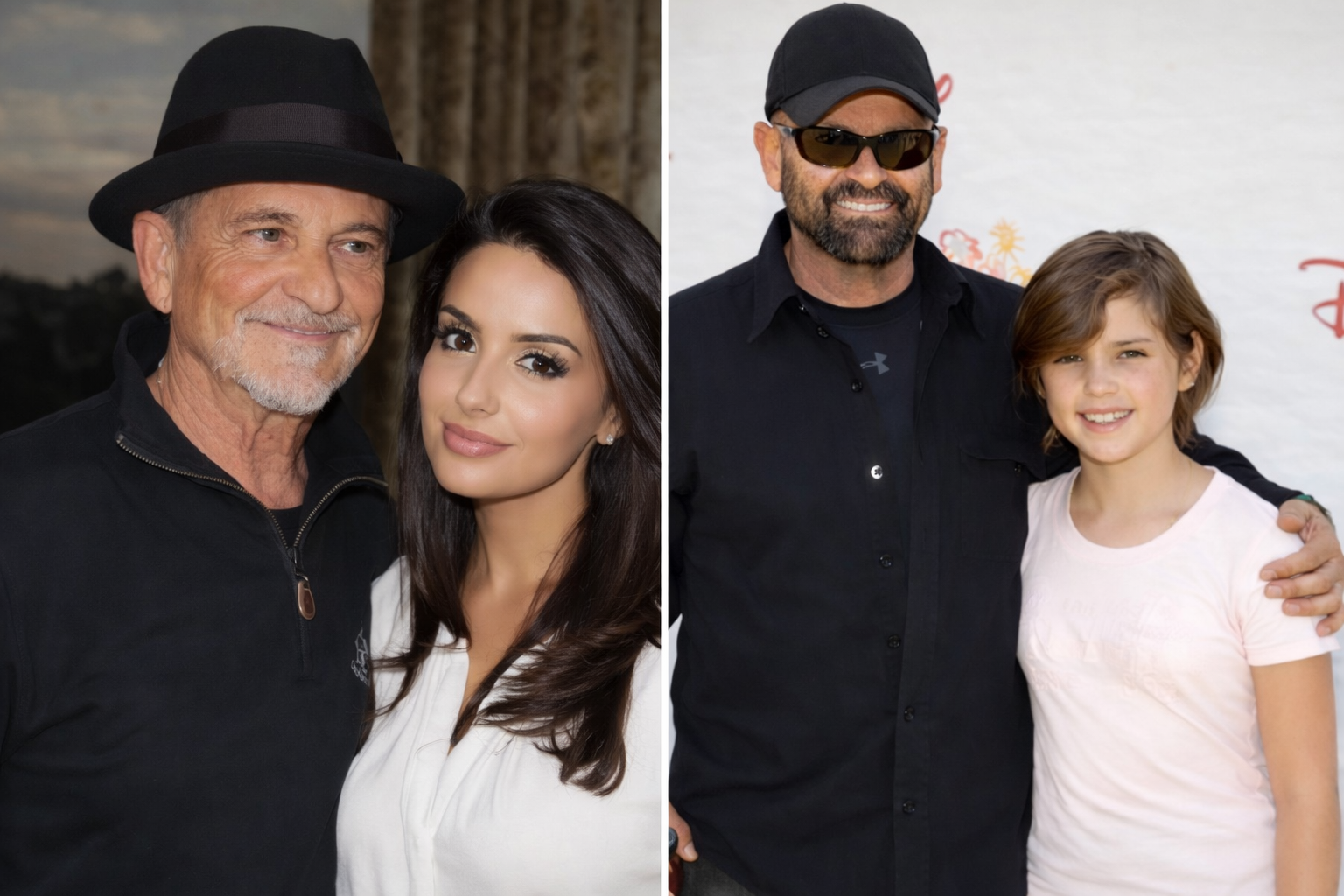
The name Tiffany Pesci often sparks curiosity, especially for those familiar with Hollywood legend Joe Pesci. But beyond being known as a celebrity daughter, Tiffany Pesci represents a rare kind of personality—someone connected to fame yet intentionally distant from it. Unlike many who grow up in the entertainment world, her journey is not defined by constant media exposure but by privacy, selective appearances, and a life that remains largely under the radar.
In this article, you’ll discover real, fact-based insights about Tiffany Pesci—her background, early life, career path, past, and her current situation in 2026. This is not speculation or filler content, but a grounded, human-written look into who she truly is and how her life has evolved.
Will You Check This Article:Letesha Marrow: The Life, Career, and Journey of Ice-T’s Eldest Daughter
Quick Bio Table
| Attribute | Details |
|---|---|
| Full Name | Tiffany Pesci |
| Date of Birth | Not Publicly Confirmed |
| Birthplace | United States |
| Nationality | American |
| Father | Joe Pesci (Actor & Musician) |
| Mother | Claudia Haro (Actress & Model) |
| Profession | Private / Reportedly Modeling |
| Known For | Being Joe Pesci’s daughter |
| Public Presence | Extremely Limited |
| Marital Status | Not Publicly Known |
| Current Status 2026 | Living a private, low-profile life |
Early Life and Family Background
Tiffany Pesci was born into a well-known Hollywood family, but her childhood was far from typical celebrity exposure. Her father, Joe Pesci, is one of the most respected actors in film history, known for intense roles and unforgettable performances. Her mother, Claudia Haro, also had a career in acting and modeling before stepping away from the spotlight.
Despite this high-profile background, Tiffany’s upbringing appears to have been intentionally private. Joe Pesci, especially, is known for avoiding unnecessary media attention. This mindset likely shaped Tiffany’s early life, allowing her to grow up without the overwhelming pressure that often comes with celebrity status.
Her parents’ relationship eventually ended, and her mother faced serious legal issues later in life. This part of Tiffany’s family history adds complexity to her background, suggesting that her life has included both privilege and challenges. However, Tiffany herself has never publicly spoken about these matters, maintaining her silence and privacy.
Tiffany Pesci’s Past (Mazi)
Looking into Tiffany Pesci’s past reveals a pattern of limited public exposure. Unlike many celebrity children who appear in interviews or reality shows, she has consistently stayed away from media attention.
There are a few reports and sightings that suggest she may have explored modeling at some point. She has occasionally been seen at charity events or public gatherings, sometimes alongside her father. However, these appearances are rare and not part of a continuous public career.
Her past reflects a deliberate choice—rather than building a public image, she seems to have focused on living a normal life. This decision is important because it sets the tone for everything that follows in her journey.
Career and Professional Life
Did Tiffany Pesci Build a Career?
One of the most frequently asked questions is about Tiffany Pesci’s career. The truth is, there is no widely confirmed or documented professional career in the traditional sense.
Some sources suggest she has worked as a model, but there is no strong public portfolio, agency record, or media presence to fully confirm this. This doesn’t mean she hasn’t worked—it simply means her professional life is not publicly shared.
A Different Kind of Path
Tiffany’s approach to career is very different from what people expect. Instead of using her father’s fame to enter Hollywood, she appears to have taken a step back.
Think of it like someone having access to a stage but choosing not to perform. That choice reflects independence and possibly a desire to avoid the pressures that come with public careers.
Personal Life and Lifestyle
Tiffany Pesci’s personal life remains one of the most private aspects of her identity. There is no confirmed information about her relationships, marriage, or daily routine.
What can be understood, however, is her preference for a quiet and controlled lifestyle. In an age where people share everything online, Tiffany represents the opposite. She values boundaries, and that choice shapes how the world sees her.
Her lifestyle likely includes a level of comfort due to her family background, but it does not appear to revolve around luxury display or public attention.
Tiffany Pesci in 2026 (Current Life)
As of 2026, Tiffany Pesci continues to live a low-profile life. There are no major public updates, interviews, or career announcements associated with her name.
This absence of information is not unusual for her—it is consistent with how she has always lived. She has successfully maintained privacy in a time when even minor public figures are constantly visible online.
Her current life can be described as stable, private, and بعيد from media noise. She is not involved in controversies, public projects, or celebrity culture in any noticeable way.
Future Possibilities
What Could Tiffany Pesci Do Next?
While there is no confirmed direction for Tiffany Pesci’s future, several possibilities exist:
- She may continue living privately without entering public life
- She could eventually pursue a professional path quietly
- There is always a chance she may step into media or fashion later
However, based on her past and present behavior, the most likely scenario is that she will continue valuing privacy over publicity.
A Life Defined by Choice
The most important thing about Tiffany Pesci’s future is that it appears to be self-directed. She is not following a pre-written script based on her family name.
That independence gives her flexibility—whether she chooses to remain private or eventually step forward, the decision is entirely hers.
Influence of Family Legacy
Being the daughter of Joe Pesci comes with both advantages and expectations. His career includes some of the most iconic roles in film history, and his reputation carries significant weight.
For Tiffany Pesci, this legacy is part of her identity, but it does not define her completely. She has managed to exist alongside it without being overshadowed or controlled by it.
This balance is rare and shows a strong sense of personal direction.
A Unique Identity in a Public World
What makes Tiffany Pesci truly interesting is not what is known about her—but what isn’t. In a world driven by visibility, she represents restraint.
Her story challenges the idea that fame must be embraced. Instead, she shows that it can be acknowledged without being fully accepted.
This makes her a unique figure—someone connected to celebrity culture yet separate from it.
Conclusion
Tiffany Pesci’s life is a blend of fame, privacy, and personal choice. Born into a well-known Hollywood family, she had every opportunity to step into the spotlight, yet she chose a different path.
Her past shows a carefully protected upbringing, her career remains largely private, and her present life in 2026 reflects stability and independence. Rather than chasing attention, Tiffany Pesci has focused on maintaining control over her identity.
The most powerful takeaway from her story is simple: not everyone connected to fame wants to live in it. Tiffany Pesci proves that sometimes, the most meaningful life is the one lived quietly, away from public eyes, guided by personal values rather than external expectations.
Frequently Asked Questions (FAQs)
1. Who is Tiffany Pesci?
Tiffany Pesci is the daughter of actor Joe Pesci and actress Claudia Haro, known for living a private life.
2. What is Tiffany Pesci’s profession?
Her profession is not officially confirmed, though she has been linked to modeling.
3. Is Tiffany Pesci active in Hollywood?
No, she has not pursued a public career in acting or entertainment.
4. What is Tiffany Pesci doing in 2026?
As of 2026, she is living a private life with no major public updates.
5. Why is Tiffany Pesci not famous like her father?
She appears to prefer privacy and has chosen not to enter the entertainment industry.
Introduction
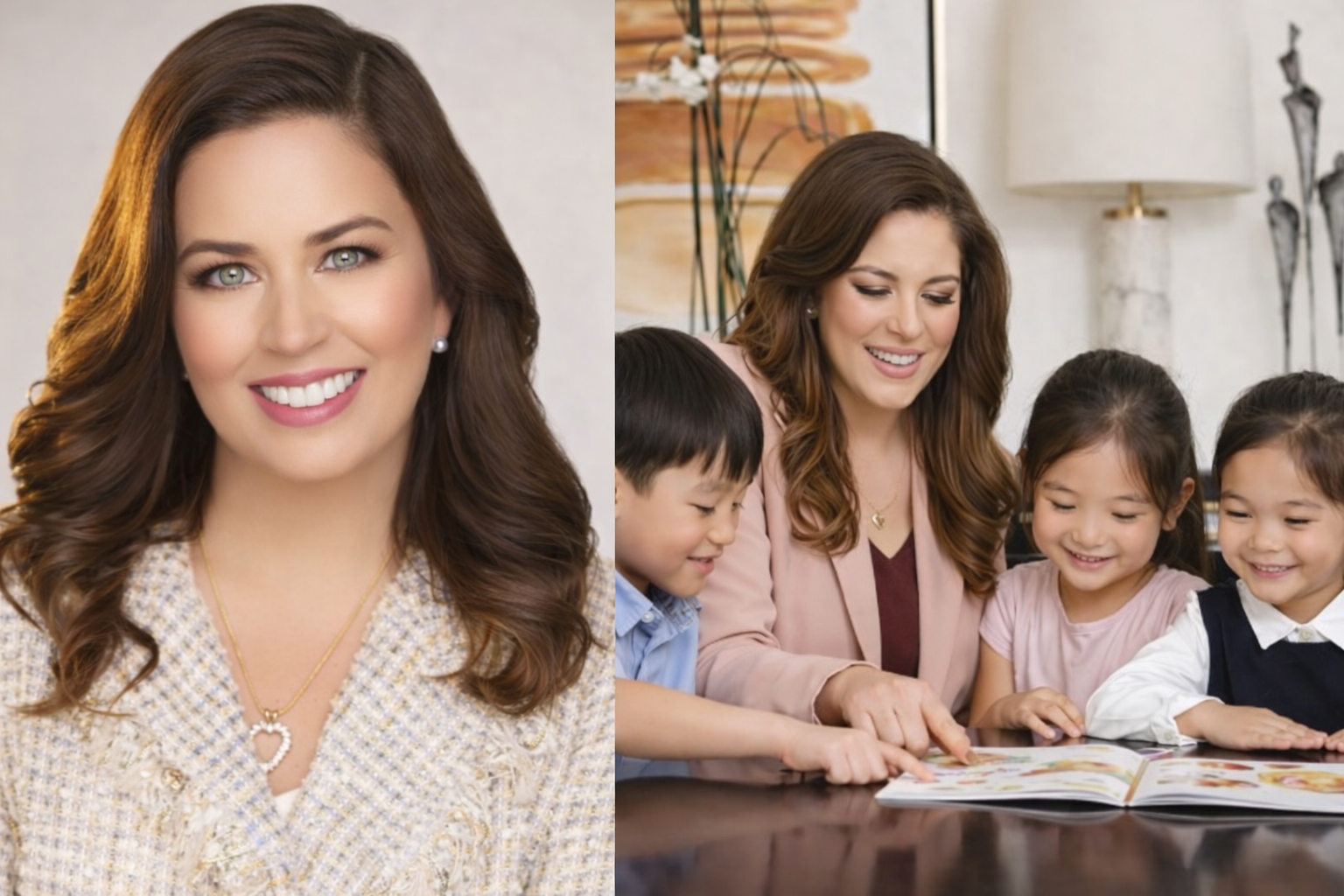
The elizabeth fraley kinder ready court case has become a widely discussed topic among parents, educators, and those closely following private early education programs. This case is not just about one individual or one institution—it reflects a deeper conversation about trust, expectations, and accountability in the world of child development services. When families invest in early education, they are not simply paying for lessons; they are placing their confidence in a system that promises growth, preparation, and a brighter future for their children.
Understanding this case requires going beyond surface-level information. It involves looking into who Elizabeth Fraley is, what Kinder Ready represents, how the situation developed over time, and what the current status appears to be in 2026. This article presents a fully detailed, human-written, and insight-driven explanation designed to give you clarity, context, and a realistic understanding of the matter.
Will You Check This Article:Catherine Mooty: Life, Career, and Present in 2026
Quick Bio Overview
| Field | Information |
|---|---|
| Full Name | Elizabeth Fraley |
| Known For | Founder of Kinder Ready |
| Profession | Educator & Early Learning Specialist |
| Program | Kinder Ready |
| Focus | School readiness & early childhood education |
| Past Background | Private tutoring and early education development |
| Current Status (2026) | Public attention due to legal discussions |
| Industry | Private education services |
Who Is Elizabeth Fraley?
Elizabeth Fraley is recognized as an educator who built her reputation in the field of early childhood learning, particularly focusing on preparing young children for formal schooling. Her work centers around structured learning techniques designed to help children develop foundational academic skills before entering kindergarten. Over time, she became known for offering personalized educational support to families seeking an advantage for their children at an early stage.
Her approach reflects a broader trend in modern parenting, where early academic preparation is increasingly valued. Parents today often seek programs that promise cognitive development, confidence building, and smoother transitions into school systems. Elizabeth Fraley positioned herself within this demand, presenting her expertise as a solution for families aiming to give their children a strong start.
However, like many individuals who operate in high-expectation industries, her visibility also brought scrutiny. As her name became more recognized, so did discussions around her methods, services, and the outcomes associated with her program.
What Is Kinder Ready and Why Was It Created?
Kinder Ready is an early education program designed to prepare children—primarily preschool-aged—for the academic and social expectations of kindergarten. The concept behind its creation was rooted in a simple but powerful idea: children who are better prepared before entering school are more likely to succeed academically and socially.
Elizabeth Fraley created Kinder Ready to address what many parents perceive as a gap between early childhood and formal schooling. The program focuses on areas such as early literacy, structured thinking, communication skills, and classroom readiness. It aims to reduce the adjustment period children often face when starting school.
From a conceptual standpoint, Kinder Ready was built on three key ideas:
- Early preparation leads to long-term success
- Personalized attention improves learning outcomes
- Structured environments build confidence in children
These ideas are not unique, but the way they are implemented can vary greatly between programs. Kinder Ready positioned itself as a premium solution, offering tailored instruction that appealed to families seeking high-quality educational support.
The Past: How Elizabeth Fraley Built Her Career
Before Kinder Ready gained attention, Elizabeth Fraley’s background was rooted in private tutoring and early childhood development. She worked closely with young learners, often focusing on individualized teaching methods rather than traditional classroom settings.
This hands-on experience helped her understand both the strengths and limitations of early education systems. She observed that many children enter kindergarten with varying levels of preparedness, which can affect their confidence and performance.
Over time, she transitioned from one-on-one teaching into building a structured program. This shift marked the beginning of Kinder Ready as a brand rather than just a service. As the program grew, so did its reach, attracting families who were willing to invest in early academic preparation.
Her past reflects a common entrepreneurial journey in education—starting small, identifying a need, and scaling a solution around it. However, growth often introduces new challenges, especially when expectations become harder to manage at a larger scale.
Understanding the Elizabeth Fraley Kinder Ready Court Case
The elizabeth fraley kinder ready court case revolves around legal concerns connected to the operations, expectations, or delivery of services associated with Kinder Ready. While the full legal details may vary depending on proceedings and sources, the case represents a dispute that escalated beyond private resolution.
At its core, the case highlights a gap between perception and experience. In education-based services, especially those involving young children, expectations are naturally high. When those expectations are not met—or are perceived as unmet—conflicts can arise.
This situation brought attention because it involves a sensitive area: early childhood development. Unlike many other services, the outcomes here are not always immediately measurable, which can complicate both satisfaction and accountability.
The case reflects broader questions such as how educational promises are communicated, how outcomes are interpreted, and how responsibility is defined when disagreements occur.
Present Situation in 2026
As of 2026, the elizabeth fraley kinder ready court case remains a topic of public discussion, particularly among communities interested in private education and parenting resources. The situation has contributed to increased awareness around how early education programs operate and how families evaluate them.
In the present context, there are a few noticeable developments:
There is greater caution among parents when selecting preparatory programs. Families are now more likely to ask detailed questions, seek transparency, and evaluate programs based on real experiences rather than promotional messaging.
Educational providers are also becoming more mindful of how they present their services. Clear communication, realistic expectations, and documented processes are becoming more important in maintaining trust.
The case has also contributed to conversations about standards in private education. While not all programs are affected, the increased attention encourages a more thoughtful approach across the industry.
Key Issues Highlighted by the Case
Expectations vs Reality
One of the most important aspects of the elizabeth fraley kinder ready court case is the difference between what families expect and what they experience. In early education, expectations are often shaped by emotional investment as much as factual information.
When outcomes do not align with expectations, even if unintentionally, dissatisfaction can grow quickly. This gap is one of the most common reasons disputes arise in service-based industries.
Trust in Early Education
Trust plays a central role in programs like Kinder Ready. Parents are not only trusting educators with their money but also with their child’s development.
Any situation that challenges this trust tends to gain attention because of its emotional weight. This is why the case resonated beyond just those directly involved.
Business and Education Balance
Kinder Ready operates in a space where education meets business. This creates a unique dynamic where services must be both effective and sustainable.
Balancing these two aspects can be challenging. If not managed carefully, it can lead to misunderstandings about priorities, outcomes, and responsibilities.
Future Outlook: What Lies Ahead?
Looking forward, the impact of the elizabeth fraley kinder ready court case is likely to extend beyond the immediate situation. It may influence how similar programs operate and how families approach early education decisions.
There is a growing emphasis on transparency, which could lead to clearer communication between providers and parents. Programs may adopt more structured ways of presenting their services, including detailed explanations of what they offer and what they do not guarantee.
Parents, on the other hand, are becoming more informed consumers. They are likely to compare options more carefully, seek reviews, and prioritize clarity before making decisions.
In the long term, this shift could lead to a more balanced and trustworthy environment in early education. While challenges will always exist, increased awareness can help reduce misunderstandings and improve overall experiences.
Conclusion
The elizabeth fraley kinder ready court case serves as a powerful example of how expectations, trust, and accountability intersect in early childhood education. It highlights the importance of clear communication, realistic outcomes, and ethical responsibility in a field that directly impacts young lives.
Elizabeth Fraley’s journey—from building an educational program to becoming the subject of public legal discussion—reflects both the opportunities and challenges of operating in a high-stakes industry. Kinder Ready itself represents a broader movement toward early preparation, but the case reminds us that success in this space requires more than just a strong concept.
For parents, the key takeaway is to stay informed and engaged. For educators, the lesson is to prioritize clarity and integrity. Ultimately, the goal remains the same: creating a supportive, reliable environment where children can grow and succeed.
Frequently Asked Questions (FAQs)
1. What is the Elizabeth Fraley Kinder Ready court case about?
It involves legal concerns related to the Kinder Ready program, focusing on expectations, services, and potential disputes between parties.
2. Who is Elizabeth Fraley?
She is an educator and founder of Kinder Ready, known for providing early childhood school preparation programs.
3. What does Kinder Ready offer?
Kinder Ready focuses on preparing young children for kindergarten through structured learning and skill development.
4. What is her current status in 2026?
She remains a recognized figure in early education, with ongoing public attention due to the case and discussions around it.
5. What can parents learn from this situation?
Parents can learn the importance of researching programs, asking questions, and ensuring clear understanding before enrolling their children.

Mila Volovich: Life, Career, and Global Influence

TXCOVIDTEST Guide: Everything You Need to Know Today

Tiffany Pesci: Real Life Story, Career, and Where She Is in 2026

Lee Mack Wife Blind: Facts, Rumors, and the Truth Explained

Riverbank Collapse Iford Playing Fields: Causes, Impacts, and Recovery
